
Table of Contents
- Why Parents Choose Bamboo Pajamas for Toddlers
- Bamboo vs Cotton Pajamas for Toddlers: Key Differences
- Are Bamboo Pajamas Safe for Toddlers?
- What Makes Bamboo Pajamas So Soft and Comfortable
- How to Wash Bamboo Pajamas: Care Tips That Prevent Shrinkage
- Temperature Regulation and Breathability for Better Sleep
- Choosing the Right Fit and Size for Growth
- Conclusion: Is It Worth Making the Switch?
- Frequently Asked Questions
Last Updated: October 17, 2026
Why Parents Choose Bamboo Pajamas for Toddlers
Bamboo pajamas toddlers wear have become a popular choice among parents looking for comfortable sleepwear for their little ones. But what makes bamboo pajamas good for toddlers in the first place? At Walabookies, we offer a curated selection of kids' merchandise designed to bring fun and joy to your little ones.
The appeal starts with feel. Bamboo fabric has a naturally silky texture that many toddlers find irresistible. Unlike some synthetic materials, bamboo viscose (the fabric form) feels gentle against sensitive skin. Parents report that their toddlers are more willing to wear pajamas that feel soft rather than scratchy or stiff.
Beyond softness, there's the practical side. Toddlers move constantly, even while sleeping. They kick off blankets, twist around, and generally need fabric that moves with them. Bamboo pajamas stretch and breathe in ways that matter for active sleepers. This combination of comfort and function is why many families make the switch.
Bamboo vs Cotton Pajamas for Toddlers: Key Differences
When choosing between bamboo vs cotton pajamas for toddlers, the differences matter more than you might think. Both are natural fibers, but they perform differently in real life.
Cotton is breathable and durable. It's been a standard for children's clothing for generations. Cotton holds up well through repeated washing and doesn't require special care. For families on a budget or those who prioritize longevity, cotton remains a solid choice.
Bamboo offers different advantages. It's softer than most cotton right out of the package. Bamboo fabric also wicks moisture more effectively, which helps keep toddlers dry through the night. If your child tends to sleep warm or sweat during sleep, bamboo often outperforms cotton in temperature regulation.
The trade-off? Bamboo requires gentler care. It can shrink more easily than cotton if washed in hot water. Bamboo also pills more readily if rubbed against rough surfaces. Cotton is more forgiving with laundry mistakes.
| Attribute | Bamboo | Cotton |
|---|---|---|
| Softness | Very soft, silky feel | Soft but less silky initially |
| Moisture-wicking | Excellent | Good |
| Durability with care | High with proper washing | Very high, forgiving |
| Temperature regulation | Excellent cooling | Moderate |
| Shrinkage risk | Higher if hot water used | Lower, more stable |
| Pilling tendency | More prone to pilling | Less prone to pilling |
| Care requirements | Gentle wash, cool water | Standard care, flexible |
For toddlers who sleep hot, have sensitive skin, or whose parents are willing to follow care instructions carefully, bamboo offers distinct advantages. For families who prioritize ruggedness and low-maintenance care, cotton is a strong contender.
Are Bamboo Pajamas Safe for Toddlers?
Are bamboo pajamas safe for toddlers? The honest answer is that safety depends far less on the word 'bamboo' on the label than on three things parents can actually check: what the fabric is made of, how the garment fits, and whether it meets children's sleepwear rules for your market.
Start with composition. Many products sold as 'bamboo' are bamboo viscose or rayon, bamboo cellulose that has been chemically processed into a fiber. That is not a knock on the fabric, but it means labels like 'natural' or 'eco' do not automatically describe the finished textile. Read the fiber content panel: it will usually say 'viscose from bamboo,' 'rayon from bamboo,' or a blend with cotton or spandex. If a product only says 'bamboo' with no fiber breakdown, ask the seller for the composition before buying.
Next, fit. Regulators in the U.S. treat children's sleepwear differently depending on whether it is snug-fitting or loose-fitting (Children’s Sleepwear Regulations). Snug-fitting pajamas are designed to fit close to the body and are labeled as such; loose-fitting sleepwear generally must meet flammability requirements or carry a warning. For toddlers, snug-fitting two-piece sets and footed sleepers with snug cuffs are the common recommendation because they reduce fabric that can catch or ride up.
Then check the label for the safety statement. In the U.S., look for a snug-fitting designation or a statement about meeting the applicable flammability standard (often referenced as 16 CFR 1615/1616 for children's sleepwear). In the EU, look for CE marking and EN 14878 compliance for children's nightwear. These are public, checkable facts, not marketing claims, and they tell you more about sleep safety than any 'hypoallergenic' badge.
Finally, treat fabric choice as one safety factor among several. A well-fitting, correctly labeled bamboo pajama is a reasonable choice; an oversized 'natural' bamboo set with no safety labeling is not automatically safer than a snug cotton sleeper. Check composition, fit, and labeling in that order, and the bamboo-versus-cotton question becomes much easier to answer.
What Makes Bamboo Pajamas So Soft and Comfortable
The softness of bamboo pajamas comes from how the fabric is made. Bamboo viscose is created by breaking down bamboo cellulose and reconstituting it into fiber (Properties, Production, and Recycling of Regenerated Cellulose Fibers). This process results in a fabric with a smooth surface and rounded fiber structure, which feels silky against skin.
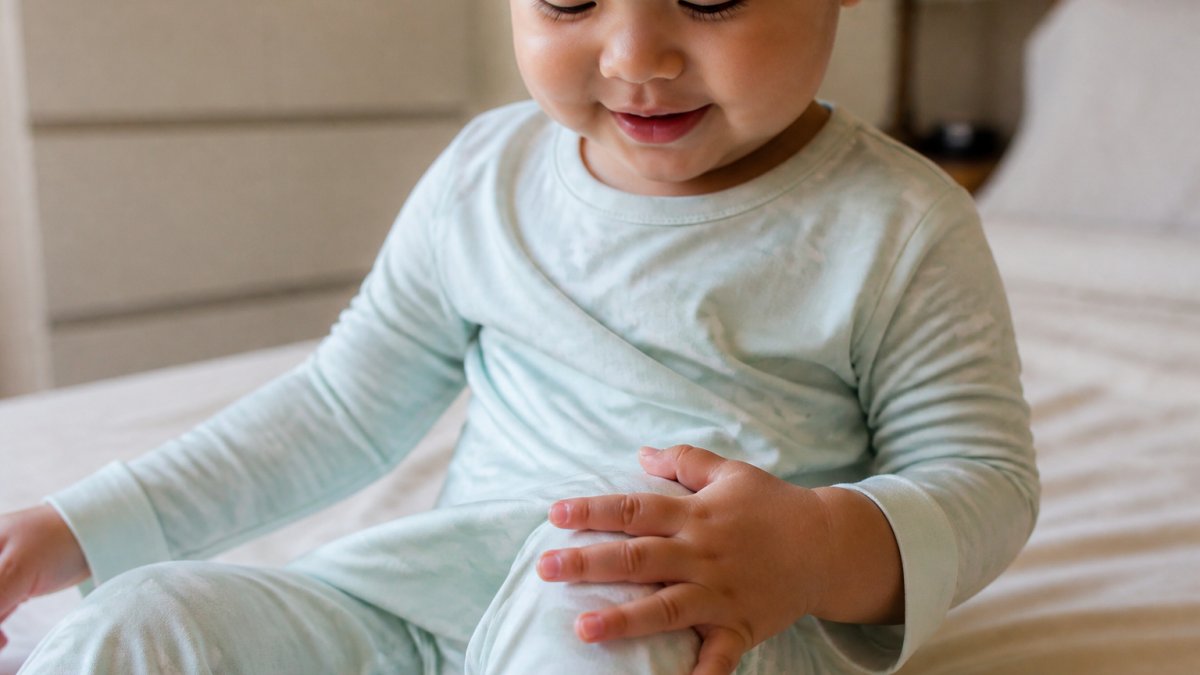
This smoothness matters for toddler comfort in ways that go beyond just feeling nice. A softer fabric creates less friction against the skin, which reduces irritation and allows for better sleep. Toddlers who toss and turn throughout the night benefit from fabric that doesn't create uncomfortable pressure points.
The breathability of bamboo also contributes to perceived comfort. When fabric allows air circulation, it prevents the clammy feeling that can wake a sleeping child. Toddlers can't regulate their temperature as effectively as adults, so breathable fabric helps them stay comfortable throughout the night without overheating.
How to Wash Bamboo Pajamas: Care Tips That Prevent Shrinkage
Bamboo pajamas require a different approach to washing than standard cotton. Following proper care instructions is essential if you want them to last and maintain their softness.
The most important rule is temperature. Wash bamboo pajamas in cool or cold water, never hot. Hot water causes bamboo fibers to shrink more readily than they do with cotton. Cold water washing also helps preserve color and prevents fading over time.
Use a gentle cycle and mild detergent. Bamboo fibers are stronger when wet than many people realize, but aggressive agitation can still cause damage. A delicate cycle protects the fabric without sacrificing cleanliness. Avoid fabric softeners, which can coat the fibers and reduce breathability.
When drying, air drying is ideal. If you use a machine dryer, choose low heat. High heat accelerates shrinkage and can damage the fibers. Many parents find that line drying or laying pajamas flat to dry extends the life of bamboo clothing significantly.
Pilling can happen with bamboo if it's rubbed against rough surfaces. Washing with similar soft fabrics and avoiding tumbling with rougher items helps prevent this. If pilling does occur, a fabric shaver can restore the smooth surface.
Temperature Regulation and Breathability for Better Sleep
Temperature regulation is one of the most practical benefits of bamboo pajamas toddlers wear. Children's sleep quality depends partly on staying at the right temperature throughout the night.
Bamboo fabric naturally wicks moisture away from the skin. When a toddler sweats during sleep, the fabric pulls that moisture away and allows it to evaporate quickly. This prevents the damp, uncomfortable feeling that wakes children and disrupts sleep cycles.
The breathability of bamboo also allows air to circulate more freely than with many other fabrics. This constant air movement helps maintain a stable temperature next to the skin. For toddlers who tend to sleep warm or who live in humid climates, this cooling effect can be the difference between restless sleep and a full night of rest.
In cooler environments, bamboo still provides adequate warmth without trapping too much heat. The fabric's natural insulating properties keep toddlers comfortable without causing overheating. This makes bamboo pajamas suitable across different seasons and room temperatures.
Choosing the Right Fit and Size for Growth
Getting the fit right is where most bamboo pajama complaints start, and most of them trace back to shrinkage, not to the initial size on the tag. Bamboo viscose knits commonly shrink more than cotton in the first few washes, especially if they meet hot water or a hot dryer. That means the size that fits perfectly on day one can be snug by week three if you size purely by age.
Measure instead of guessing. Take a current chest measurement around the widest part, a waist measurement at the natural waistline, and an inseam from crotch to ankle. Compare those numbers to the brand's size chart rather than to your child's age, because toddler growth curves vary widely. A common pattern is to buy the size that matches the chest and waist now, then rely on the garment's stretch and cuff design for room to grow, not to buy two sizes up, which defeats the snug-fit safety benefit.
Look for construction that buys you time: a bit of spandex in the blend for recovery, flatlock seams that do not rub, cuffs that can be folded, and two-piece sets that let you replace just the bottom if one piece wears out first. Adjustable waistbands help, but on toddlers they are less useful than a good chest-and-waist measurement match, because toddlers rarely tolerate a bunched waistband.
On shrinkage, be skeptical of any claim of 'pre-shrunk' bamboo without a number. A reasonable expectation for bamboo viscose knits is some lengthwise shrinkage after the first few washes even with cool water and low heat; if a product description gives a specific shrinkage percentage, treat that as useful information and size accordingly. If it gives none, assume mild shrinkage and wash before judging fit.
Finally, plan for replacement rather than indefinite growth. Toddlers typically move up a size every few months, so the practical question is not 'will this last three years' but 'will this survive the washes between now and the next size.' Cool water, mild detergent, low heat, and air drying when possible are what protect both fit and softness, and they matter more for sizing outcomes than the number on the tag.
Conclusion: Is It Worth Making the Switch?
Switching to bamboo pajamas for your toddler makes sense if comfort, breathability, and gentle care of sensitive skin are priorities. The softness and moisture-wicking properties genuinely improve sleep quality for many children. The trade-off is that bamboo requires more careful washing than cotton.
For families willing to follow care instructions and appreciate the comfort benefits, bamboo pajamas are worth the investment. Walabookies offers a curated selection of kids' merchandise designed to bring fun and joy to your little ones. Explore our catalog to find the perfect pieces that reflect our commitment to playful and engaging kids' fashion.
Frequently Asked Questions
Are bamboo pajamas comfortable for toddlers?
Yes. Bamboo pajamas are known for their exceptional softness and smooth feel against skin. The fabric naturally breathes well, reducing overheating during sleep. Most toddlers find them comfortable because the material is stretchy and doesn't restrict movement. Parents report fewer complaints about itching or discomfort compared to other fabrics, especially for children with sensitive skin.
Is bamboo fabric safe for toddlers with sensitive skin?
Bamboo pajamas are generally considered safe for sensitive skin. If your toddler has known skin allergies, test a small area first or consult your pediatrician before purchasing.
Do bamboo pajamas keep toddlers warm enough?
Bamboo pajamas offer moderate warmth and work best in mild to warm climates. They regulate temperature by allowing airflow while retaining some body heat. In very cold environments, you may need to layer or choose fleece-lined options. In humid or warm weather, bamboo excels at moisture-wicking and keeping toddlers dry and comfortable throughout the night.
Can bamboo pajamas go in the dryer?
Most bamboo pajamas can go in the dryer on low heat, but air-drying is recommended to extend their lifespan and prevent shrinkage. High heat can damage the fabric and reduce its softness over time. Always check the care label on your specific pajamas, as some brands have different recommendations. Gentle handling during washing and drying helps maintain the fabric's quality and comfort.