
Table of Contents
- How Clothing and Fabric Affect Baby Eczema Comfort
- The Best Fabric for Baby Eczema
- Organic vs. Conventional Cotton: What Actually Matters
- Fabrics to Avoid for Baby Eczema
- Certifications, Dyes, and Processing: What to Look For
- How to Wash Clothes for Babies with Eczema
- Testing Clothing Changes and When to Seek Help
- Frequently Asked Questions
Last Updated: October 12, 2026
How Clothing and Fabric Affect Baby Eczema Comfort
Soft, breathable fabric makes a real difference for organic clothing baby eczema comfort. The right clothing can reduce irritation, lower scratching, and help your little one feel more comfortable throughout the day and night.
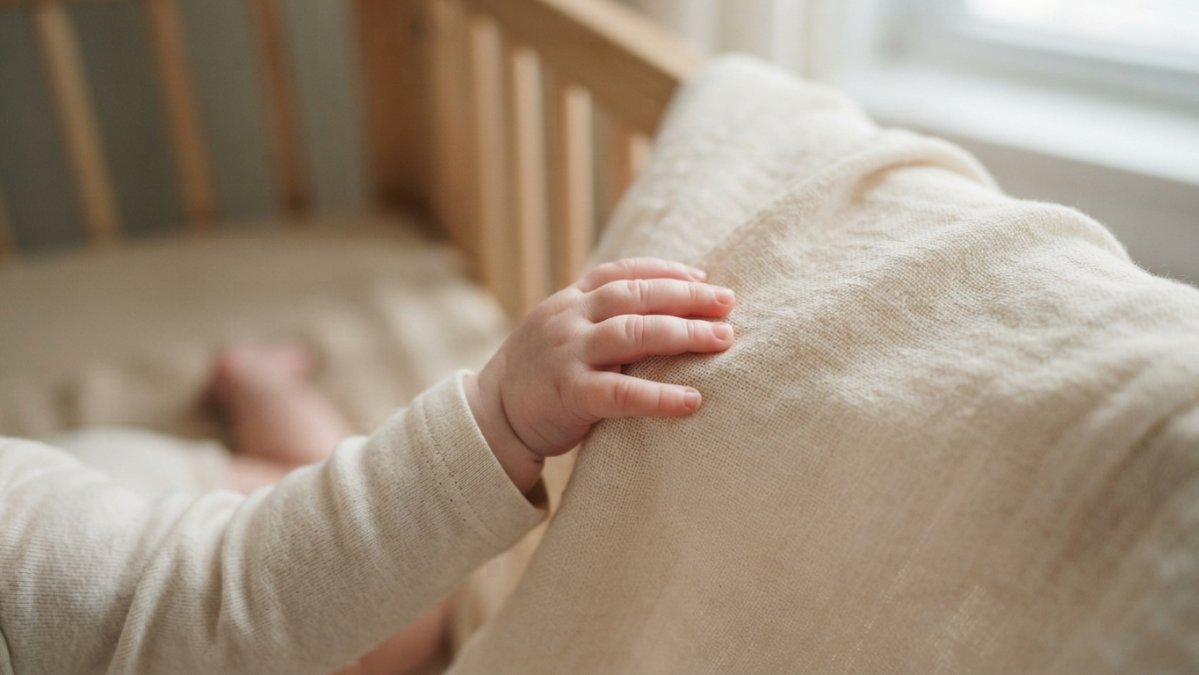
Your baby's skin is sensitive. Rough fabrics, tight seams, and scratchy tags trigger itching and discomfort. Loose-fitting clothing that breathes helps manage sweat and heat buildup, which can make eczema worse.
This is where fabric choice becomes crucial. Natural fabrics like cotton allow air to flow around your baby's body. Synthetic materials often trap heat and sweat.
The Best Fabric for Baby Eczema
Cotton is the most reliable choice for babies with eczema. It's soft, breathable, and gentle on sensitive skin. The fabric lets air circulate while staying comfortable against delicate skin.
Why organic cotton stands out
Organic cotton is grown without synthetic pesticides or fertilizers. The processing uses fewer harsh chemicals. This means less chemical residue on the final fabric touching your baby's skin.
Does this matter for eczema specifically? The difference between organic and conventional cotton comes down to processing and potential irritants. Both are soft and breathable. Organic cotton may have fewer chemical finishes, which reduces one possible source of irritation.
Look for certifications like GOTS (Global Organic Textile Standard) or OEKO-TEX. These confirm the cotton was processed carefully from fiber to finished garment. At Walabookies, we carry pieces like the Cute Yellow Robot Baby Bodysuit made from GOTS-certified organic cotton with OEKO-TEX certification. The fabric is medium-weight, breathable, and designed specifically for babies with sensitive skin.

Other natural options to consider
Bamboo viscose is another soft option. It's breathable and naturally hypoallergenic. However, it's less durable than cotton and may pill after several washes.
Merino wool works well for temperature regulation. It breathes better than synthetic blends and manages moisture naturally. Many babies tolerate it without irritation, though some find it slightly itchy.
Linen is breathable but stiff when new. It softens with washing but can feel rough against very sensitive skin initially.
Organic vs. Conventional Cotton: What Actually Matters
Here is the direct answer to the question in the title: organic cotton is not an eczema treatment, and no certification makes it one.
To understand why, it helps to separate the fiber from everything added to it.
The fiber itself is nearly identical. Organic and conventional cotton are both cellulose fibers. They feel similar, breathe similarly, and wick moisture similarly.
The differences are in growing and processing. Conventional cotton is typically grown with synthetic pesticides and fertilizers.
Why that might matter for eczema. Eczema is a barrier problem (Significance of Skin Barrier Dysfunction in Atopic Dermatitis).
What the evidence does and does not show. There is no body of research showing that organic cotton treats or prevents eczema.
A practical way to think about it:
- If your baby reacts to a specific conventional cotton item, the issue may be the dye or finish, not the fiber. Try a different brand or a lighter color before assuming cotton itself is the problem.
- If your baby's skin is calm in conventional cotton, there is no medical reason to switch to organic.
- If you want to reduce potential chemical exposure as one part of a broader eczema plan, organic cotton is a reasonable choice, just do not expect it to replace moisturizers, prescription creams, or your pediatrician's advice.
Fabrics to Avoid for Baby Eczema
Synthetic fabrics trap heat and sweat. Polyester, acrylic, and nylon don't breathe the way natural fibers do. Your baby overheats more easily, sweat builds up, and eczema typically gets worse.
Rough textures cause friction against sensitive skin. Avoid:
- Stiff or scratchy materials
- Fabrics with heavy texture or raised patterns
- Anything that feels rough when you rub it on your own arm
- Loose weaves that snag easily
Tight-fitting clothes restrict airflow and trap moisture. Choose loose-fitting options that let your baby move freely. Seams should sit flat and smooth. Raised seams rub and irritate.
Tags are a common irritant. Tear-away labels (like those on Walabookies pieces) prevent constant scratching and rubbing. Some babies are sensitive enough that even soft tags cause problems.
Cute Yellow Robot Baby Bodysuit — Organic Short Sleeve Onesie →
Certifications, Dyes, and Processing: What to Look For
Certifications tell you something about how the garment was made. GOTS certification means the cotton was grown organically and processed with strict environmental and social standards. OEKO-TEX certification confirms the finished garment has been tested for harmful substances.
Natural dyes are gentler than synthetic dyes. Look for garments dyed with plant-based or mineral dyes when possible. Synthetic dyes can irritate sensitive skin, especially if not rinsed thoroughly.
Chemical finishes make fabric softer, smoother, and more wrinkle-resistant. Some finishes are gentler than others. Formaldehyde-free finishes are better for baby clothing. OEKO-TEX certified pieces have been tested to ensure they're free of harmful chemicals.
Read care labels carefully. If a garment requires special washing or handling, it may have finishes that need gentle care. Pieces designed for everyday baby wear should tolerate frequent washing without falling apart.
How to Wash Clothes for Babies with Eczema
Detergent choice matters as much as fabric choice. Use fragrance-free, dye-free detergent designed for sensitive skin. Many standard detergents contain perfumes and dyes that irritate eczema.
Wash in cold water. Hot water can dry out already-sensitive skin and trigger flare-ups. Cold water is gentler and uses less energy.
Skip fabric softener and dryer sheets. These add coating and fragrance that can irritate skin. Line-dry when possible, or use low heat in the dryer.
Wash new clothes before wearing them. This removes any residual dyes or finishes from manufacturing.
Rinse thoroughly. Run an extra rinse cycle to remove all detergent residue. Any soap left on the fabric can irritate skin.
Wash frequently enough to prevent sweat and dirt buildup, but not so often that you over-dry the fabric. Once or twice weekly for regularly worn pieces is typical.
Testing Clothing Changes and When to Seek Help
Most articles tell you to 'try organic clothing baby eczema solutions and see if it helps.' That is not a test, it is a guess. Because eczema flares come and go on their own, you can easily credit a new garment for an improvement that would have happened anyway, or blame it for a flare caused by something else. A simple controlled approach gives you clearer information.
A one-change-at-a-time method
- Pick a baseline week. Keep your baby's current clothing, washing routine, and skincare exactly the same for 5-7 days. Note the typical severity: how red, how itchy, how often they scratch, and how well they sleep.
- Change only the garment. Swap in the new fabric (for example, an organic cotton onesie) while keeping detergent, moisturizer, bath products, and diet unchanged. If you change three things at once, you will not know which one mattered.
- Wear it for several days, not one. A single wear is not enough. Aim for 3-5 consecutive days of normal use, including overnight if it is sleepwear.
- Score the skin daily. Use a simple 0-3 scale for redness, itching, and sleep disruption. A written note or a phone note is enough.
- Compare, then decide. If scores are consistently lower than your baseline week, the garment may be helping. If they are the same or worse, the fabric is probably not the deciding factor for your baby.
What realistic improvement looks like
A fabric change rarely clears eczema. More often, caregivers notice a modest difference: less scratching at bedtime, fewer rough patches where seams or tags sit, or less heat rash under clothing. If you see nothing after a week of consistent use, that is useful information, it means your time and money are better spent elsewhere in the routine.
Keep a simple log
Track four things: date, garment worn, skin score, and anything else that changed (new food, weather, illness, missed moisturizer). Patterns often emerge within two to three weeks. Bring the log to your pediatric appointment, it helps the clinician see what has and has not been tried.
Red flags: when clothing is not the answer
Contact your pediatrician or a pediatric dermatologist if any of the following occur:
- Eczema is widespread, oozing, crusting, or bleeding.
- The skin looks infected, increasing redness, warmth, pus, or yellow crust.
- Your baby is uncomfortable enough that sleep and feeding are disrupted for more than a few nights.
- Itching is severe despite consistent moisturizing and gentle clothing.
- A new rash appears suddenly, especially with fussiness, fever, or swelling.
- Eczema does not improve after several weeks of careful home care.
How clothing fits alongside treatment
Clothing is a comfort tool, not a therapy. It works best as one layer of a plan that includes frequent fragrance-free moisturizing, short lukewarm baths, avoiding known triggers, and any prescription creams or ointments your clinician recommends. If a doctor has prescribed a topical steroid or a non-steroidal cream, keep using it as directed, do not pause treatment to 'see if the organic clothes work on their own.'
Frequently Asked Questions
Is organic cotton actually better than regular cotton for babies with eczema?
Organic cotton is grown without synthetic pesticides and processed without harsh chemical finishes, which can reduce irritant exposure. Conventional cotton may contain residual pesticides and dyes. For eczema-prone skin, organic cotton with certifications like GOTS or OEKO-TEX offers more controlled manufacturing. That said, the fabric's softness, breathability, and fit matter as much as whether it's organic. A well-made organic cotton piece like the Cute Yellow Robot Baby Bodysuit combines certification with construction details, tear-away labels and smooth seams, that prevent friction irritation.
What fabrics should I avoid if my baby has eczema?
Avoid synthetic materials like polyester and nylon, which trap heat and sweat and don't breathe well. Skip rough textures, heavy knits, and anything with tight elastic or raised seams that create friction. Wool and wool blends can irritate unless they're merino wool specifically designed for sensitive skin. Avoid clothing treated with water-resistant coatings or flame retardants, and steer clear of items with plastic tags sewn directly into seams. Stick to soft, breathable natural fabrics with smooth construction and minimal irritating details.
How should I wash my baby's clothes if they have eczema?
Use cold water (max 30°C or 90°F) to prevent irritation and reduce dye bleeding. Choose fragrance-free, dye-free detergent formulated for sensitive skin, and avoid fabric softeners and dryer sheets. Wash new clothes before wearing to remove manufacturing residue. Skip bleach and avoid high heat, air dry when possible or use low heat. Rinse an extra cycle if your water is hard or your detergent leaves residue. Wash eczema-prone items separately from heavily soiled clothing to minimize detergent buildup. Check care labels; quality pieces like organic cotton bodysuits often specify gentle washing to preserve fabric integrity.
When should I see a doctor about my baby's eczema instead of just changing clothing?
Clothing changes support comfort but don't treat eczema itself. See a healthcare provider if your baby's skin is severe, bleeding, infected, or not improving after two to three weeks of gentle clothing and care changes. If itching interferes with sleep or daily life, or if you notice signs of infection like pus or warmth, seek medical advice. A doctor can prescribe treatments alongside fabric choices. Clothing is one tool in managing eczema, it reduces triggers but works best paired with medical guidance and proper skin care routines.
Choosing the right fabrics for your baby's eczema is a practical step toward reducing discomfort and irritation. Soft, breathable organic cotton with minimal chemical processing gives your baby the gentlest option available. At Walabookies, we design our kids' clothing with sensitive skin in mind, combining quality organic materials with playful designs that make getting dressed fun. Explore our collection and find pieces that work for your little one's skin while bringing joy to playtime.