
Last Updated: October 22, 2026
Quick Summary
Recycled polyester clothes are generally safe for kids when properly washed before first wear and chosen with appropriate fit. Are recycled polyester clothes safe for kids depends more on chemical finishes, dyes, and garment fit than on whether the polyester is recycled or virgin, since both have identical chemical structures.
- Wash new polyester garments 2-3 times in cool water before first wear to remove excess dyes and finishes.
- OEKO-TEX Standard 100 certification tests finished children's articles for harmful substances and is the most relevant label for chemical safety.
- Loose-fitting garments reduce skin irritation risk by allowing air circulation and preventing heat and moisture buildup.
- Polyester itself is not inherently irritating; most skin reactions come from dyes, finishes, tight fit, or prolonged wear against sweaty skin.
- Air drying and washing inside out reduces microplastic shedding and extends garment life by 20-30% compared to machine drying.
Table of Contents
- What Is Recycled Polyester and How Is It Made?
- Recycled Polyester vs Regular Polyester: Key Differences
- Chemical Residues and Safety Concerns in Recycled Polyester
- Polyester Clothing Skin Irritation in Kids: What Parents Should Know
- Microplastics from Polyester Clothes: Exposure and Risk
- How to Wash Recycled Polyester Clothes to Reduce Risk
- Choosing Safe Synthetic Clothing for Your Children
- Frequently Asked Questions
What Is Recycled Polyester and How Is It Made?
Recycled polyester is synthetic fiber made from existing plastic materials, usually plastic bottles and discarded textiles, rather than virgin petroleum. The manufacturing process transforms these waste materials into new fabric suitable for clothing.
The journey from bottle to kids' shirt: bottles are collected, sorted, cleaned, shredded into flakes, melted, formed into pellets, spun into yarn, then woven or knitted into fabric.
The difference starts with the raw material: recycled polyester uses existing plastic waste rather than crude oil, reducing the production footprint. The final fiber's chemical structure is essentially identical to virgin polyester.
Recycled Polyester vs Regular Polyester: Key Differences
The main difference between recycled and virgin polyester is where the raw material comes from, not how the fabric performs.
Virgin polyester is synthesized from crude oil, requiring significant energy and producing new plastic from nonrenewable sources.
Recycled polyester vs regular polyester matters most for environmental impact: recycled versions divert bottles and textiles from landfills and use less energy than virgin production.
In wear, durability, and feel, differences are minimal: both are durable, moisture-wicking, easy to care for, prone to pilling, and less breathable than cotton.
The choice often comes down to values: recycled is better for sustainability, while both perform equally well for kids' clothing.
Chemical Residues and Safety Concerns in Recycled Polyester
Parents often worry about chemical residues in recycled polyester. Residues can exist, but risk depends on the substance, amount, and garment use, not on the word "recycled" alone.
What can remain in the finished fabric? Three categories matter most:
- Manufacturing catalysts and stabilizers. Antimony is commonly used as a catalyst in polyester polymerization, and trace amounts can remain in the fiber (pubmed.ncbi.nlm.nih.gov). Other metals and processing aids may also be present at very low levels.
- Dyes and dye carriers. Colorants and the chemicals that help them penetrate synthetic fiber can leave residues, especially in low-cost, poorly rinsed fabrics.
- Finishes and coatings. Water-repellent, anti-wrinkle, anti-static, and flame-retardant finishes are applied after the fiber is made and are a more likely source of skin contact than the base polymer itself.
Separating demonstrated exposure from theoretical hazard. Presence of a substance is not the same as health risk; risk depends on dose, route, and duration.
Why recycling itself is not the main concern. High-temperature melting and re-pelletizing remove most residues from the original bottles, and the resulting fiber is chemically the same as virgin polyester.
Certifications: what they do and do not guarantee. Labels can help, but they are not all equivalent:
- OEKO-TEX Standard 100 tests finished articles for harmful substances against published limit values, with stricter limits for baby and children's articles. It addresses chemical residues, not breathability, fit, or microplastic shedding.
- GOTS (Global Organic Textile Standard) applies to organic fiber content and processing; it is not a polyester certification, so it is not the right label to look for on a recycled polyester garment.
- GRS (Global Recycled Standard) verifies recycled content and includes social and environmental criteria, but it is not primarily a chemical-safety certification.
- bluesign focuses on input chemicals and production processes; it can indicate responsible chemical management but does not by itself certify the finished garment's skin safety.
When comparing labels, match the certification to the concern: OEKO-TEX Standard 100 for chemical residues on finished articles, GRS for recycled content claims. Do not assume one certification covers every safety or comfort question.
Polyester Clothing Skin Irritation in Kids: What Parents Should Know
Skin irritation from polyester clothing in kids can happen but isn't inevitable; understanding the causes helps you prevent problems.
Polyester clothing skin irritation kids most often results from:
- New dyes and finishes that haven't been fully rinsed out
- Tight-fitting garments that trap heat and moisture
- Prolonged wear without breaks
- Pre-existing sensitive skin conditions
- Allergic reactions to specific dyes or chemical treatments
The solution is simple: wash new clothing multiple times before first wear to remove loose dyes and finishes, choose looser fits, limit continuous wear, and mix polyester with cotton or other natural fibers.
If irritation occurs, stop wearing that specific garment. Wash it again and test it later. Many cases resolve after thorough washing.
Most polyester irritation in kids is preventable through proper washing before first wear and choosing appropriate fit and wear duration.
Microplastics from Polyester Clothes: Exposure and Risk
Microplastics from polyester clothes are tiny fibers released when synthetic fabrics are worn and washed.
Every time a polyester garment is worn or laundered, microscopic fibers shed, some enter the water supply during washing, others remain on skin or are ingested through dust.
The amount a child receives from polyester clothing is generally small compared to other sources, air pollution, food packaging, drinking water, and synthetic materials throughout the home.
Microplastics from polyester clothes shed more readily when:
- The fabric is worn frequently without breaks
- The garment is washed in hot water
- The fabric is tumble-dried
- The garment is tight-fitting and creates friction
Choosing quality polyester that resists pilling and using gentler care methods reduces shedding. This is a practical step that also extends the life of the clothing.
How to Wash Recycled Polyester Clothes to Reduce Risk
Proper care of polyester clothing reduces both skin irritation risk and microplastic shedding. The steps are straightforward.
Washing recycled polyester clothes starts before the first wear. New garments should be washed 2-3 times to remove excess dyes and finishes. Use cool water for these initial washes.
For ongoing care, follow these steps:
- Wash in cool or warm water, not hot
- Use mild detergent without heavy perfumes or dyes
- Turn garments inside out to reduce friction
- Wash with similar colors to prevent dye transfer
- Avoid fabric softeners, which can leave residue
- Air dry when possible instead of tumble drying
- If using a dryer, use low heat
Cold water reduces dye bleeding and fiber damage, turning clothes inside out protects against friction, and air drying prevents dryer heat damage, all extending garment life and reducing shedding.
For kids with sensitive skin, washing new items multiple times is especially important, since initial washes remove the highest concentration of loose dyes and finishes.
Choosing Safe Synthetic Clothing for Your Children
When selecting synthetic clothing for kids, focus on quality, fit, and care to determine whether are recycled polyester clothes safe for kids rather than assuming all synthetics are unsafe.
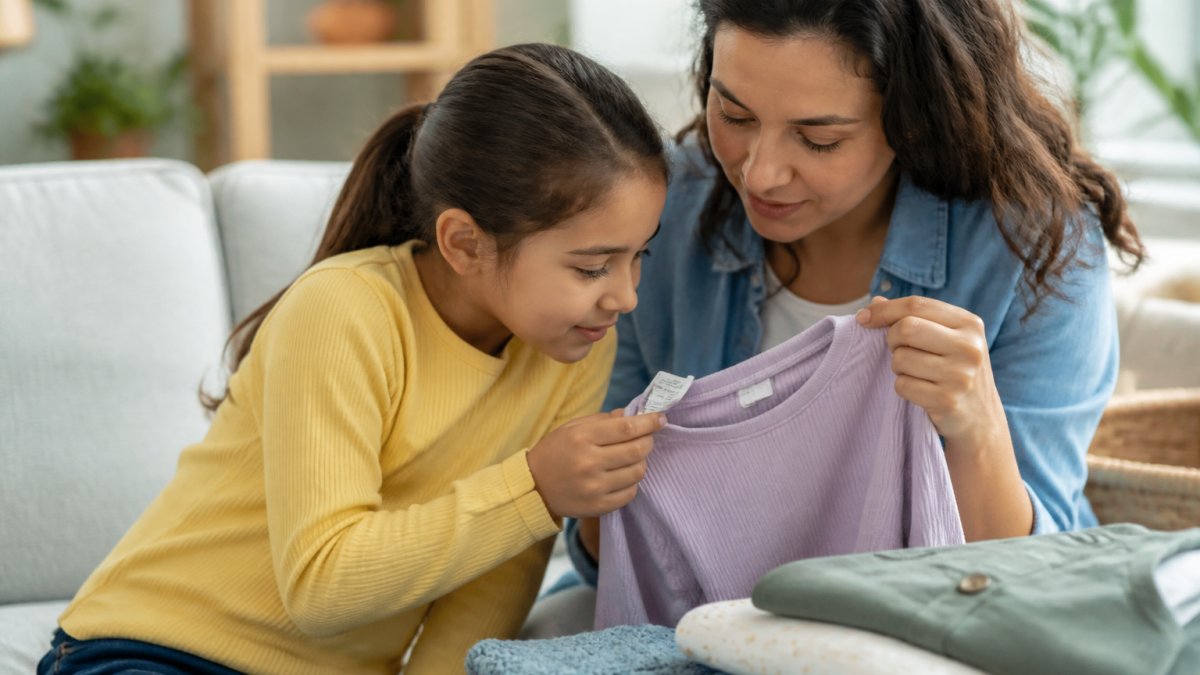
A label-reading checklist for parents:
- Fiber content. Look for a clear statement such as "100% recycled polyester" or "polyester blend." Blends with cotton or other fibers can improve breathability and reduce the percentage of synthetic fiber against the skin.
- Finishes. Watch for claims like "water-repellent," "anti-wrinkle," "anti-static," or "flame-retardant." These finishes are a more likely source of skin contact than the base fiber, so choose them only when the function is genuinely needed.
- Certifications. OEKO-TEX Standard 100 is the most directly relevant label for chemical residues on finished children's articles. GRS verifies recycled content but is not a chemical-safety certification. Treat certifications as signals, not guarantees.
- Construction. Check seams, hems, and inner labels for roughness or stiffness that could rub against skin.
- Fit. Loose-fitting garments allow air circulation and reduce heat and moisture buildup; tight synthetic clothing traps sweat against the skin.
Match the garment type to the exposure. Risk and comfort depend on contact, heat, moisture, and duration of wear:
- Close-fitting everyday garments worn for hours against sweaty skin are the highest-contact category. Prioritize breathable blends and good fit.
- Sleepwear is worn for long periods, often in warm bedding. Choose breathable options and avoid heavy finishes.
- Outerwear is worn briefly over other layers, so direct skin contact is limited; performance finishes are more defensible here.
- Items worn briefly, costumes, accessories, special-occasion pieces, carry lower cumulative exposure and are reasonable places to accept synthetic fabrics.
A balanced fiber comparison. Recycled polyester is not automatically safer or less safe than other fibers; each has trade-offs:
- Recycled polyester vs virgin polyester: chemically similar performance and skin behavior; the main difference is raw material source and environmental footprint.
- Polyester vs cotton: cotton is generally more breathable and less prone to trapping heat, but it absorbs moisture and dries slowly; polyester wicks and dries quickly but can feel less breathable.
- Polyester vs wool or bamboo: natural fibers vary widely in softness and breathability; some children find wool itchy, while bamboo processing varies.
How to respond to a skin reaction. If your child develops redness, itching, or a rash after wearing a synthetic garment:
- Stop using that garment and switch to a known-comfortable alternative.
- Check seams, inner labels, and any applied finishes for roughness or stiffness.
- Wash the garment thoroughly and test it again later if you wish.
- If symptoms are persistent, severe, or spread, seek medical advice. Do not assume polyester is the universal cause, reactions can come from dyes, finishes, fit, heat, or unrelated factors.
At Walabookies, we curate kids' merchandise inspired by the fun, funny, and silly Walabookies kids book on Amazon.
Questions to ask before buying:
- Is the fiber content clearly stated?
- Are there unnecessary performance finishes?
- Is the fit appropriate for active play and breathability?
- Is there a relevant certification such as OEKO-TEX Standard 100?
- Are seams and inner labels smooth against skin?
Frequently Asked Questions
Is recycled polyester safe for babies and young children?
Recycled polyester can be worn safely by babies and young children when sourced from reputable manufacturers and cared for properly. The safety depends more on how the garment is made, finished, and maintained than on whether the polyester is recycled or virgin. Look for items labeled with textile certifications, wash new garments before first wear, and monitor your child's skin for any irritation. If your baby has sensitive skin or eczema, test the garment on a small area first.
Does recycled polyester shed microplastics from polyester clothes when washed?
Yes, recycled polyester releases microplastics during washing, similar to virgin polyester. The amount depends on fabric construction, wash temperature, and wash frequency. Tightly woven fabrics shed less than loosely knitted ones. To reduce microplastic shedding, wash in cold water, use a gentle cycle, avoid excessive washing, and consider using a microfiber-catching laundry bag. Choosing well-made garments with tight weaves also helps minimize fiber loss.
Can polyester clothing cause skin irritation in kids?
Polyester clothing can trigger skin irritation in children, particularly those with sensitive skin, eczema, or dermatitis. Irritation typically comes from chemical residues in dyes and finishes, not the polyester fiber itself. New garments often contain processing chemicals that fade with washing. To reduce risk, wash new items before wearing, choose lighter colors when possible, opt for polyester blends rather than 100% polyester, and consider garments with minimal dyes or finishes. If your child develops a rash, switch to natural fibers and consult a doctor.
What certifications should parents look for when buying recycled polyester clothes for kids?
Look for textile certifications such as OEKO-TEX Standard 100, which tests for harmful substances. These certifications indicate the garment has been tested for chemical residues and meets safety standards for children's wear. Check the product label or manufacturer website for certification information. Reputable brands typically display these certifications prominently, giving you confidence that the recycled polyester clothing has been vetted for safety.
