
Table of Contents
- Organic Cotton vs Bamboo: Key Differences
- Softness and Feel Against Baby's Skin
- Breathability and Temperature Regulation
- Best Fabric for Baby Clothes: Durability and Longevity
- Bamboo Baby Clothes Pros and Cons
- Bamboo Fabric Care Instructions and Maintenance
- Bamboo vs Cotton Sustainability: Environmental Impact
- Which Fabric Should You Choose for Your Baby?
- Frequently Asked Questions
Last Updated: October 21, 2026
Organic Cotton vs Bamboo: Key Differences
When choosing fabrics for baby clothes, organic cotton vs bamboo are the two most popular options parents consider. Both materials offer softness and breathability, but they come from very different sources and manufacturing processes.

Organic cotton grows without synthetic pesticides or fertilizers. It's harvested, cleaned, and spun into yarn using mechanical processes. Bamboo, on the other hand, comes from bamboo plants that are processed into fabric through chemical treatments that break down the plant material into a usable fiber. This fundamental difference shapes everything from how soft each fabric feels to how it performs after multiple washes.
The key distinction isn't just comfort, it's also how each fabric behaves over time. Organic cotton tends to get softer with washing, while bamboo fabric can lose some of its silky feel after repeated laundering. For parents buying baby clothes that will be passed down or worn frequently, understanding these differences matters.
Softness and Feel Against Baby's Skin
Bamboo fabric has a reputation for being exceptionally silky and smooth, almost like touching silk directly. The fibers are naturally fine and uniform, which creates that luxurious handfeel many parents love. Organic cotton starts out softer than conventional cotton, but it has a slightly different texture that some describe as more substantial or structured.

For newborns and babies with sensitive skin, both fabrics work well. The real difference emerges after washing. Organic cotton typically softens further with each wash, becoming almost buttery over time. Bamboo maintains its initial silkiness but can stiffen slightly after multiple cycles if not cared for properly. This means that an organic cotton bodysuit might feel better after a month of use, while a bamboo piece might need gentler handling to keep that first-day softness.
Our Cute Yellow Robot Baby Bodysuit features 100% certified organic cotton with a medium weight (200 g/m²) that feels substantial and durable against delicate skin. The fabric sits gently without feeling thin or flimsy.
Breathability and Temperature Regulation
Both organic cotton and bamboo viscose are breathable natural-fiber options, but they manage moisture and heat differently. The practical question is not which fabric is "cooler" in the abstract, it is which fabric suits your baby's sleep environment, layering, and skin.
How each fabric behaves:
- Organic cotton absorbs moisture slowly and holds it within the fiber. This keeps skin dry in moderate conditions but can feel damp and heavy in humid heat or during heavy sweating.
- Bamboo viscose wicks moisture away from the skin more quickly and feels cooler to the touch. It dries faster than cotton, which helps in warm rooms.
Actionable guidance by room temperature:
- Above 24°C (75°F): A single lightweight layer of bamboo viscose or thin organic cotton is usually enough. Avoid heavy blankets; use a lightweight sleep sack.
- 20-24°C (68-75°F): Either fabric works well. Choose based on your baby's tendency to run hot or cool. A cotton bodysuit plus a light sleep sack is a common pattern.
- Below 20°C (68°F): Organic cotton's slightly warmer feel and ability to hold moisture make it a practical base layer. Add layers rather than choosing a heavier single garment.
Safe-sleep considerations: Pediatric safe-sleep guidance recommends avoiding loose blankets and overdressing. Breathable fabrics help, but the priority is appropriate layering and room temperature, not the fabric label alone. A baby who kicks off covers may sleep more comfortably in a lighter bamboo layer; a baby who stays bundled may do better in cotton.
What neither fabric does:
The best choice depends on your climate, your baby's individual temperature patterns, and how you layer, not on a single claim that one fabric is universally cooler.
Best Fabric for Baby Clothes: Durability and Longevity
Organic cotton gets stronger when wet, which means it can handle aggressive washing without breaking down.
Bamboo fabric is more delicate. It weakens when wet, so it requires gentler washing and lower heat drying. This doesn't mean bamboo clothes fall apart, but they do need more careful handling to maintain their shape and integrity over time.
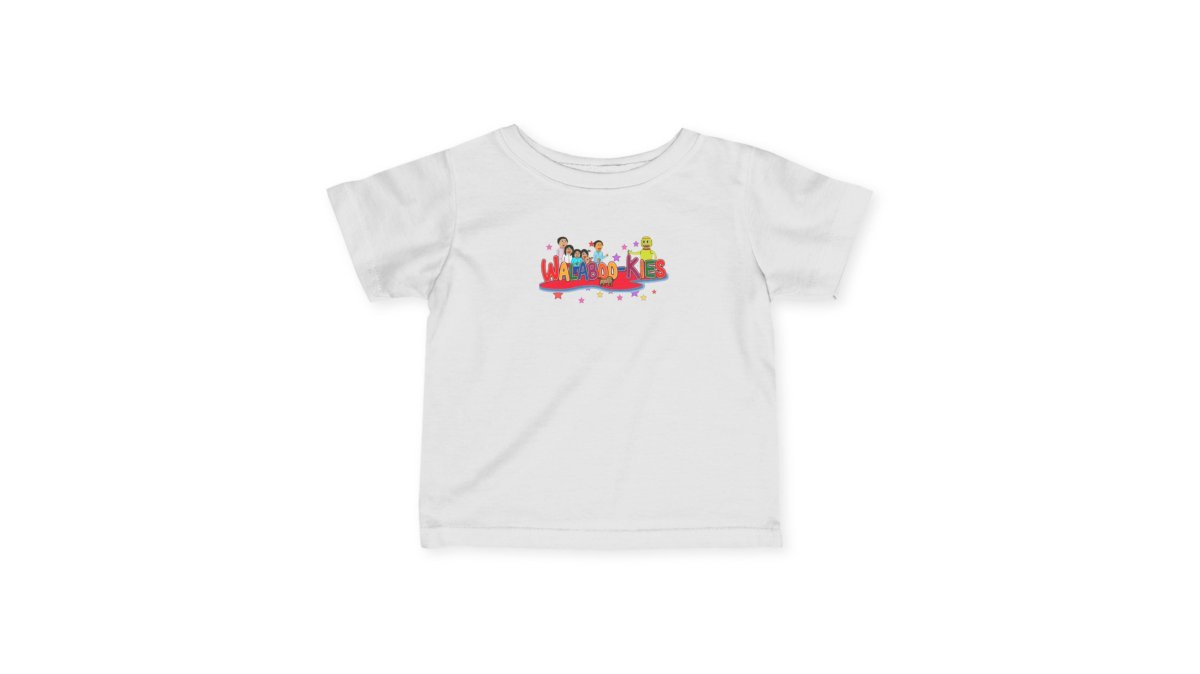
Our Infant Tee in Colorful Playtime Characters uses 100% combed, ring-spun organic cotton with ribbed knit collar and shoulder tape that maintain shape wash after wash. The construction is designed to last through multiple children and years of wear.
Bamboo Baby Clothes Pros and Cons
Bamboo baby clothes have real advantages, but the marketing around them often outpaces the evidence. Understanding what bamboo fabric actually is, and what claims it can and cannot support, helps parents evaluate it fairly against organic cotton.
First, a terminology check. Most "bamboo" baby clothes are not made from mechanically processed bamboo fiber. They are made from bamboo viscose (also called bamboo rayon), a regenerated cellulose fiber. The bamboo plant is dissolved in chemicals and extruded into fiber. This matters because the plant's natural properties do not automatically transfer to the finished fabric. A label that says "bamboo" does not tell you whether the fiber was made via a closed-loop solvent process or a conventional viscose process with higher chemical waste.
Pros of bamboo viscose fabric:
- Exceptionally smooth handfeel from the first wear, with a silky drape
- Lightweight and breathable, which many parents find comfortable for warm rooms
- Good moisture wicking, it moves moisture away from skin faster than cotton in many wear tests
- Takes dye well, producing vivid colors
- Often softer than conventional cotton without additional finishes
Cons and caveats:
Cute Yellow Robot Baby Bodysuit — Organic Short Sleeve Onesie →
- "Antimicrobial" and "hypoallergenic" claims are not standardized for textiles; parents should not rely on these labels for medical reasons
- Weaker when wet, so it requires gentler washing and air drying
- Can pill or stiffen with rough handling or high heat
- Processing chemicals vary widely by manufacturer; closed-loop production reduces environmental impact but is not universal
- Typically more expensive than organic cotton
What the evidence supports: Bamboo viscose is generally smooth and breathable, and many parents report it feels cool against the skin. However, claims that it is naturally antibacterial or hypoallergenic are marketing language, not verified textile properties. If your baby has eczema or reactive skin, patch-test any new fabric and consult your pediatrician.
Bamboo is a reasonable choice for layering pieces or warm-weather wear, provided you read the fiber-content label and understand what you are buying.
Bamboo Fabric Care Instructions and Maintenance
Bamboo fabric demands specific care to maintain its feel and integrity. Machine wash in cold water at maximum 30°C (86°F). Never use bleach, which breaks down bamboo fibers. Skip the dryer entirely and air dry flat or hanging to prevent damage from heat.
When ironing is necessary, use low heat only. Many bamboo pieces don't need ironing if air-dried properly. Store bamboo clothing in a cool, dry place away from direct sunlight, which can fade colors over time.
The reason bamboo needs gentler care is chemical: the fibers are created through a process that makes them more delicate than organic cotton. This isn't a flaw, it's just the nature of the material.
| Care Task | Organic Cotton | Bamboo |
|---|---|---|
| Water Temperature | Cold to warm | Cold only |
| Bleach | Safe to use | Never use |
| Drying | Machine or air dry | Air dry only |
| Heat Sensitivity | Low | High |
| Ironing | Medium heat safe | Low heat only |
| Longevity with Proper Care | 5+ years | 3-4 years |
Bamboo vs Cotton Sustainability: Environmental Impact
The sustainability picture is more complex than marketing suggests. Organic cotton is grown without synthetic pesticides, which protects soil and water systems. However, cotton requires significant water to grow, and even organic cotton farming uses resources.
Bamboo grows quickly without pesticides and regenerates after harvesting. The plant itself is sustainable. The problem is the chemical processing required to turn bamboo into usable fabric. Most bamboo fabric (called bamboo viscose or bamboo rayon) uses harsh chemicals that must be managed carefully to prevent environmental damage. Some manufacturers use closed-loop systems that recycle chemicals, which reduces impact significantly.
Research from the Sustainable Apparel Coalition shows that both materials have environmental trade-offs. Organic cotton's water usage versus bamboo's chemical processing means neither is definitively "greener."
For families prioritizing sustainability, look for certifications. Organic cotton should carry GOTS (Global Organic Textile Standard) certification. Bamboo fabric should come from manufacturers using closed-loop production processes. These certifications indicate genuine environmental commitment beyond marketing claims.
Which Fabric Should You Choose for Your Baby?
Organic cotton handles frequent washing, maintains its softness over time, and requires no special handling.
Bamboo is perfect for special occasion pieces, layering items, or as gifts you know will be handled gently.
Our Kids Cartoon Crew Baby Bodysuit blends 95% cotton and 5% spandex for stretch and comfort, while our organic cotton pieces provide durability.

Both are natural, breathable, and gentle on baby skin.
Frequently Asked Questions
Is bamboo better for a baby's skin than organic cotton?
Both fabrics are gentle on delicate skin, but they have different strengths. Organic cotton is free from synthetic pesticides. Bamboo fabric is naturally soft and breathable, though it requires careful processing to be safe for babies. For sensitive skin, organic cotton with certifications like GOTS and OEKO-TEX, such as the Cute Yellow Robot Baby Bodysuit from Walabookies, is available. Choose based on your baby's specific needs.
What are the disadvantages of bamboo baby clothes?
Bamboo fabric requires more delicate care than organic cotton; it shouldn't be tumble dried or exposed to high heat, which limits convenience for busy parents. The textile processing used to convert bamboo into wearable fabric involves chemicals, so certifications matter. Additionally, bamboo fabric is often blended with other materials, making it harder to find 100% bamboo options.
Is organic cotton or bamboo easier to care for?
Organic cotton is significantly easier to care for. It tolerates cold machine washing, can handle low tumble drying. Bamboo requires cold washing only, no tumble drying, and careful handling to maintain softness, making it more time-intensive for parents managing multiple loads.
Is bamboo fabric more sustainable than organic cotton?
Sustainability depends on how each fabric is produced. Organic cotton avoids synthetic pesticides and uses less water than conventional cotton, but still requires significant resources. Bamboo grows quickly and needs minimal pesticides, but the viscose or rayon processing that makes it wearable uses harsh chemicals. Closed-loop production methods reduce environmental impact. Neither fabric is perfectly sustainable; the real difference lies in certifications and manufacturing practices. Look for GOTS certification on organic cotton and similar standards on bamboo to ensure responsible production.
Finding clothes that feel good, look playful, and actually hold up through repeated washing is harder than it should be. That's why Walabookies curates pieces made from quality materials like certified organic cotton that parents trust. Explore our collection of fun, durable baby clothing designed for real families and real wear.