
Table of Contents
- What Makes the Best Online Kids Clothing Stores in 2026?
- Best Websites for Kids Clothes: What Parents Actually Need
- Walabookies: Playful Kids Clothing Brands Built for Real Life
- Children's Clothing Stores Online: Price Ranges and Value
- Children's Clothing Shopping Tips for Busy Parents
- Seasonal Clothing and Cold-Weather Layers
- Conclusion
- Frequently Asked Questions
Last Updated: October 7, 2026
What Makes the Best Online Kids Clothing Stores in 2026?
The best online kids clothing stores in 2026 get three things right: sizing you can trust, fabric that survives the wash, and a return policy that doesn't punish guessing wrong.
Most parents shop by price first and fit second. That's backwards: a cheap tee that shrinks after one wash costs more per wear than a well-made one that lasts.
Below: how to judge sizing charts, spot durable fabric, and compare value across price ranges.
Sizing Consistency and Return Policies
Sizing is the top reason online kids' clothing orders get returned, and a size chart only helps if the store follows it across every product.
When comparing kids clothing stores, look for a full measurement chart with width and length, a stated fit note like "runs true to size," and a return window long enough to test the fit.
A common mistake is trusting the age label alone, a "3T" from one brand can run a full size smaller than another. Measure your child once and compare against each store's chart before buying.
Fabric Quality and Durability
Fabric quality best predicts whether kids' clothing survives a month of playground wear. Two details matter most: fiber content and fabric weight.
Look for combed or ring-spun cotton, softer and better at holding shape than standard cotton.
Reinforced construction matters just as much. Ribbed collars and cuffs resist stretching. Shoulder tape stabilizes seams. Tear-away labels prevent the itch complaints that make kids refuse to wear something twice.
| What to Check | Why It Matters | What Good Looks Like |
|---|---|---|
| Fiber content | Predicts softness and shrinkage | Combed or ring-spun cotton |
| Fabric weight | Signals durability and warmth | 4.5 oz/yd² tees, 7.5-8 oz/yd² fleece |
| Collar and cuffs | Prevents sagging and stretching | Ribbed knit, reinforced seams |
| Label type | Affects comfort for sensitive skin | Tear-away or printed label |
Best Websites for Kids Clothes: What Parents Actually Need
A good kids clothing website shows real product photos, publishes a usable size chart, states shipping and return terms clearly, and organizes by age and use case.
One thing most guides miss: the return policy is part of the product. A generous window lets you order two sizes and keep the one that fits, often cheaper than guessing and reordering.
Walabookies: Playful Kids Clothing Brands Built for Real Life
Walabookies is a kids' clothing brand built around playful, character-driven designs that hold up to actual play.
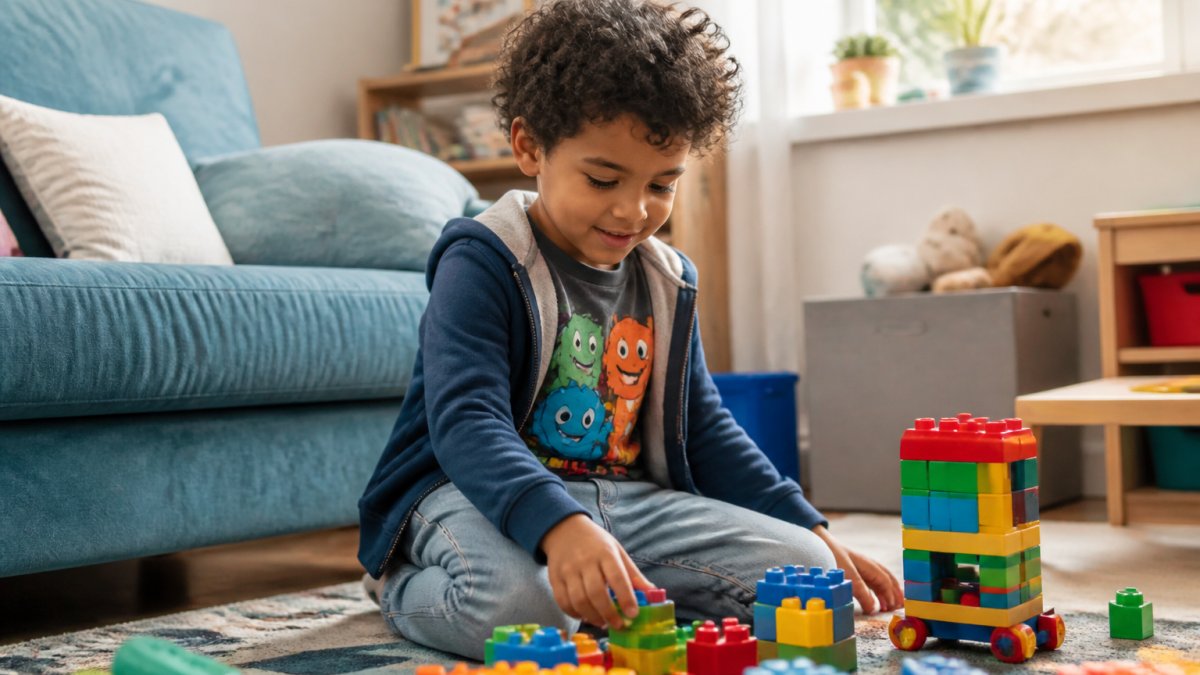
That matters more than it sounds: a shirt with a character kids recognize gets worn far more often than a plain one.
Everyday Playwear That Holds Up
Our everyday pieces are built with the construction details that decide whether clothing lasts. The Toddler Long Sleeve Tee uses combed ring-spun cotton with ribbed collar and cuffs to keep its shape after repeated washes, and the Kids' Hooded Sweatshirt is a 50/50 cotton-poly midweight fleece with a kangaroo pocket and twill necktape.


For babies, the Cute Yellow Robot Baby Bodysuit is certified organic cotton with an envelope neckline and snap closure for quick, calm diaper changes. Sizes run newborn through youth, and the Kids Graphic Tee comes in eight sizes from XS up.

Children's Clothing Stores Online: Price Ranges and Value
Most guides say "look for value" without defining it. So let's break kids' clothing into categories, give realistic price bands, and show how to calculate cost per wear so you can compare any two stores on equal footing.
Typical Price Bands by Category
These are the ranges you'll see across mainstream online kids' clothing retailers. Treat them as benchmarks: a store above the band needs to justify it with fabric, construction, or fit consistency.
| Category | Budget Band | Mid-Range Band | Premium / Organic Band |
|---|---|---|---|
| Baby bodysuits (single) | Entry-level basics | Mid-tier cotton and blends | Certified organic cotton |
| Toddler tees | Thin, standard cotton | Combed or ring-spun cotton | Organic or specialty blends |
| Kids graphic tees | Basic print, light fabric | Heavier cotton, durable print | Organic, small-batch designs |
| Hoodies and sweatshirts | Lightweight fleece | Midweight fleece, lined hood | Heavyweight fleece, premium trims |
| Bottoms (joggers, jeans) | Thin elastic waist | Reinforced knees, better denim | Premium denim, adjustable waists |
| Sleepwear sets | Basic poly blends | Cotton-rich, snug-fit compliant | Organic cotton, OEKO-TEX certified |
| Occasionwear / dresses | Simple construction | Lined, better finishing | Specialty fabrics, detailed construction |
A few patterns worth internalizing:
- Baby and toddler basics compress the most. The gap between budget and mid-range is smallest here, so it rarely pays to over-invest in newborn sizes your child will outgrow in weeks.
- Hoodies and outerwear stretch the widest. Fabric weight, lining, and construction show up in the price, and the cheap option usually fails first.
- Graphic tees are the most misleading category. Two tees at the same price can differ wildly in fabric weight and print durability, so check fiber content and weight before trusting the price.
How to Calculate Cost Per Wear
Cost per wear is the only number that makes two stores comparable:
Cost per wear = Purchase price ÷ Estimated number of wears before it wears out or is outgrown
A pricier tee that survives a full season of washes beats a cheaper one that pills or fades after a few cycles. Run the math on your own rotation, the mid-range band usually wins for anything worn weekly, the budget band for special-occasion pieces.
Toddler Long Sleeve Tee — Colorful “Wlaboo-kies” Cartoon Kids Shirt →
What Actually Drives the Price Up
When a store charges more, here's what you're paying for:
- Fiber quality. Combed and ring-spun cotton cost more because short fibers are removed, giving a softer feel and less pilling.
- Fabric weight. Heavier fabric uses more raw material, so a midweight fleece hoodie costs more to make and lasts longer.
- Construction details. Ribbed collars and cuffs, shoulder tape, twill necktape, and reinforced seams add labor, and decide whether a garment survives a season.
A Practical Comparison Method
Next time you're comparing two stores, put them side by side on these five points:
- Fiber content, listed on the product page, or buried?
- Fabric weight, stated, or do you have to guess?
- Construction, ribbed collar? Reinforced seams? Tear-away label?
- Return window, how long, and who pays return shipping?
- Size range, does the same store cover your youngest and oldest child?
A store that answers all five clearly is priced fairly. One that hides any of them is asking you to gamble.
Children's Clothing Shopping Tips for Busy Parents
Shopping for children's clothing online gets faster once you build a routine. These habits save time and prevent returns.
- Measure your child once a season and keep the numbers in your phone
- Read the size chart on every product page, never the age label alone
- Check fabric weight and fiber content before adding to cart
- Confirm the return window and who pays return shipping
A common mistake is buying a full season's wardrobe in one order. Kids grow unevenly. Buy a few core pieces, test the fit, then reorder what works.
Seasonal Clothing and Cold-Weather Layers
Cold-weather dressing for kids works best in layers, because kids run hot indoors and cold outside. A base, mid, and outer layer cover almost every winter scenario without a separate coat for every temperature. Three things separate layering that works from layering that frustrates: fabric choice per layer, sizing that accommodates the stack, and care that keeps layers performing.
The Three-Layer System, Layer by Layer
Base layer, moisture and skin comfort. This layer touches skin. Combed or ring-spun cotton works for most winter days: soft, breathable, and it doesn't trap sweat.
Mid layer, insulation. This is where fleece earns its place. A midweight fleece hoodie around 7.5 to 8 oz/yd² traps warmth without bulk and is the layer kids shed first indoors.
Outer layer, wind and water protection. A waterproof shell blocks wind and rain and lets the mid layer do its job.
Sizing Layers So They Actually Stack
This is where most parents get it wrong. Each layer needs room for the one beneath it, but not so much that cold air circulates.
- Base layer: true to size, close to the skin without binding.
- Mid layer: one size up from the base layer if worn together, a hoodie that fits perfectly alone won't fit over a long-sleeve tee.
- Outer layer: sized to fit over the mid layer, not the base layer alone. Try the shell on over the fleece, not over a t-shirt.
A common mistake is sizing up two sizes on a winter coat "to grow into." That backfires: a coat two sizes too big lets cold air circulate underneath, defeating the insulation.
Care That Keeps Layers Working
Cold-weather layers lose performance when washed wrong. A few habits that preserve them:
- Wash fleece inside out in cold water. Heat breaks down the fleece nap and causes pilling.
- Skip fabric softener on fleece and technical fabrics. It coats fibers and reduces insulation and moisture-wicking.
- Air dry when you can. Dryer heat shrinks cotton and degrades elastic cuffs fastest.
- Re-waterproof shells periodically. Most finishes need heat reactivation (check the care tag) or a spray-on treatment.
Building a Winter Rotation Without Overbuying
You don't need a separate outfit for every temperature. A practical winter rotation for one child:
- 3 to 4 base-layer long-sleeve tees
- 2 midweight fleece hoodies (one in the wash, one on the body)
- 1 waterproof outer shell
- 2 pairs of warm bottoms (joggers or lined pants)
That covers school runs, playground time, and car journeys without a closet full of pieces that fit one weather window. Buy layers slightly roomy, and replace individual pieces as they wear out rather than rebuying the whole rotation.
Conclusion
Getting kids' clothing right online comes down to measuring, checking fabric, and choosing stores with honest sizing and fair returns. It takes effort up front, but it ends the cycle of returns and replacements.
At Walabookies, we've built our range around playful designs that survive real play.
Continue shopping with Walabookies and find playful pieces your kids will reach for first.
Frequently Asked Questions
What is the best online site for buying children's clothes?
There is no single best site for every family. The right choice depends on your child's age, your budget, and how important sizing accuracy and returns are to you. Look for stores that publish clear size charts, show fabric details, and offer straightforward return policies. Walabookies, for example, lists specific measurements and materials for each item so you can check fit before ordering.
How can I choose a reliable online store for children's clothes?
Check three things before you buy: a published size chart with actual measurements, clear fabric and care instructions, and a return policy you can live with. Reviews from other parents also help. A store that shows certifications, like OEKO-TEX or GOTS on organic cotton items, gives you extra confidence that the materials are safe for kids.
What should I check before ordering kids' clothes online?
Measure your child rather than guessing from their age, then compare those numbers to the store's size chart. Read the fabric composition to know how the item will wash and wear. Finally, confirm the return window and any shipping minimums. These three checks prevent most of the frustration that comes with online kids clothing shopping.
Which online kids' clothing stores have the widest range of styles?
Range matters most when you have kids with different tastes. A store that covers babies through older kids, with both casual wear and occasion pieces, saves you from juggling multiple sites. Walabookies carries bodysuits and infant tees for babies, toddler hoodies and long-sleeve tees, and youth tees for older kids, so one order can cover a wide age spread.