
Table of Contents
- The Real Cost of Expensive Kids Clothing
- Why Cheap Clothes Often Cost More
- Is Expensive Kids Clothing Worth It? A Cost-Per-Wear Breakdown
- How to Build a Capsule Wardrobe for Kids
- Best Laundry Detergents for Sensitive Baby Skin
- The Growth Spurt Math: When Investment Pieces Make Sense
- How to Spot Quality Kids Clothing Before You Buy
- Frequently Asked Questions
Last Updated: September 28, 2026
The Real Cost of Expensive Kids Clothing
A child outgrows a shoe size roughly every four to six months in the early years, which means the average parent is buying the same garment three or four times over before their kid starts school. That math sits at the heart of the question: is expensive kids clothing worth it, or are you just paying for a label that ends up in a donation bin?
This guide from Walabookies breaks down cost-per-wear, fabric quality, and the growth spurt math so you can decide with numbers instead of guilt. Below, we'll show you exactly how to tell a genuine investment piece from an overpriced one.
Why Cheap Clothes Often Cost More
The cheapest shirt on the rack rarely stays the cheapest shirt in the drawer. Thin cotton can lose shape after a handful of washes, seams can pull apart at the shoulder, and a garment that survives three months instead of eighteen means you might buy it six times as often.
Here's where the hidden costs stack up:
- Replacement frequency: a garment that lasts one season gets repurchased every season
- Hand-me-down failure: poorly made clothes don't survive to a second child
- Resale value: construction and fabric determine whether anything comes back at resale
- Laundry damage: weak fibers degrade faster with every wash cycle
The Ellen MacArthur Foundation's work on textile waste has documented how quickly low-cost garments move from purchase to disposal, and the pattern is consistent: cheap clothing has a shorter clothing lifecycle, which pushes the true cost per wear far above the sticker price.
Is Expensive Kids Clothing Worth It? A Cost-Per-Wear Breakdown
Cost-per-wear is the price of a garment divided by the number of times your child actually wears it. It's the single most useful number in this entire debate, because it turns a gut feeling into arithmetic.
Run it like this:
| Garment Type | Upfront Cost | Wears Before It Fails | Cost Per Wear |
|---|---|---|---|
| Budget basic tee | Low | ~15 wears | High |
| Mid-range cotton top | Medium | ~40 wears | Moderate |
| Well-made investment piece | Higher | ~90 wears | Low |
The pattern holds across categories. A garment that survives twice as many wears at twice the price is a wash on paper, and a clear win the moment it becomes a hand-me-down.
Where some higher-priced kids clothing earns its price is in garment construction: reinforced seams, quality natural fibers, and dye that doesn't fade after five washes. Where it doesn't earn its price is when you're paying for a logo and nothing else.
How to Build a Capsule Wardrobe for Kids
A capsule wardrobe for kids is a small, coordinated set of garments that mix and match, so every piece gets worn regularly instead of sitting at the back of the drawer. Fewer items, more wears each, lower cost per wear. But the real power of a capsule isn't just in the math, it's in how it reshapes your buying behavior and shields your family from the quiet pressure of consumerism that permeates parenting culture.
The psychology of consumerism in parenting
The growth-spurt math meets the capsule
- Ages 0-2: Fast growth. Build a micro-capsule of 10-15 pieces per season, sized one up from current. Expect to rotate every 3-4 months.
- Ages 3-7: Moderate, predictable growth. A 20-25 piece capsule per season works well, with a mix of current size and one size up for layers.
- Ages 8-12: Slower growth. You can invest in a 25-30 piece capsule with higher-quality pieces that last multiple seasons.
- Teens: Growth slows but style preferences shift. Keep the capsule flexible, focus on fit and versatility over longevity.
The fabric science angle
Maintenance and repair: the capsule's secret weapon
- Tops: 6 to 8 everyday shirts in neutral and one accent color
- Bottoms: 4 to 5 pairs that pair with every top
- Layers: 2 to 3 hoodies, cardigans, or light jackets
- Outerwear: 1 to 2 season-appropriate coats
- Shoes: 2 pairs, one everyday and one slightly dressier
- Occasion pieces: 1 to 2 items for events and photos
The rules that make it work:
- Every piece must match at least three other pieces
- Buy for the size your child will be in three months, not today
- Skip anything that only works for one outfit
- Rotate seasonally, and store the outgrown sizes for the next child
- Mend before you replace, a small repair can add a full season of wear
Best Laundry Detergents for Sensitive Baby Skin
A fragrance-free, dye-free formula, ideally one labeled for sensitive skin and free of added optical brighteners, is often recommended for sensitive baby skin. How you wash matters as much as what you wash with.
Look for these on the label:
- "Free and clear" or "sensitive skin" wording
- No added fragrance or perfume
- No dyes or optical brighteners
- A short ingredient list
Then adjust the routine:
- Use the extra rinse cycle to strip leftover detergent
- Skip fabric softener and dryer sheets, which leave residue on fabric
- Wash new clothes before the first wear
- Use the amount recommended for your load size, not a guess
American Academy of Pediatrics guidance on children's skin care
The Growth Spurt Math: When Investment Pieces Make Sense
Investment pieces can make sense during the slow-growth windows, not the fast ones. This is a calculation many parents consider, and it can help decide whether to spend up or buy more affordably.
Use this rule:
- Ages 0-2: fastest growth, buy cheap or accept hand-me-downs freely
- Ages 3-7: moderate and predictable, mid-range works well
- Ages 8-12: slower growth, investment pieces start paying off
- Teens: growth slows further, but style preferences shift fast, so buy for fit over longevity
How to Spot Quality Kids Clothing Before You Buy
Fabric science: natural vs. synthetic
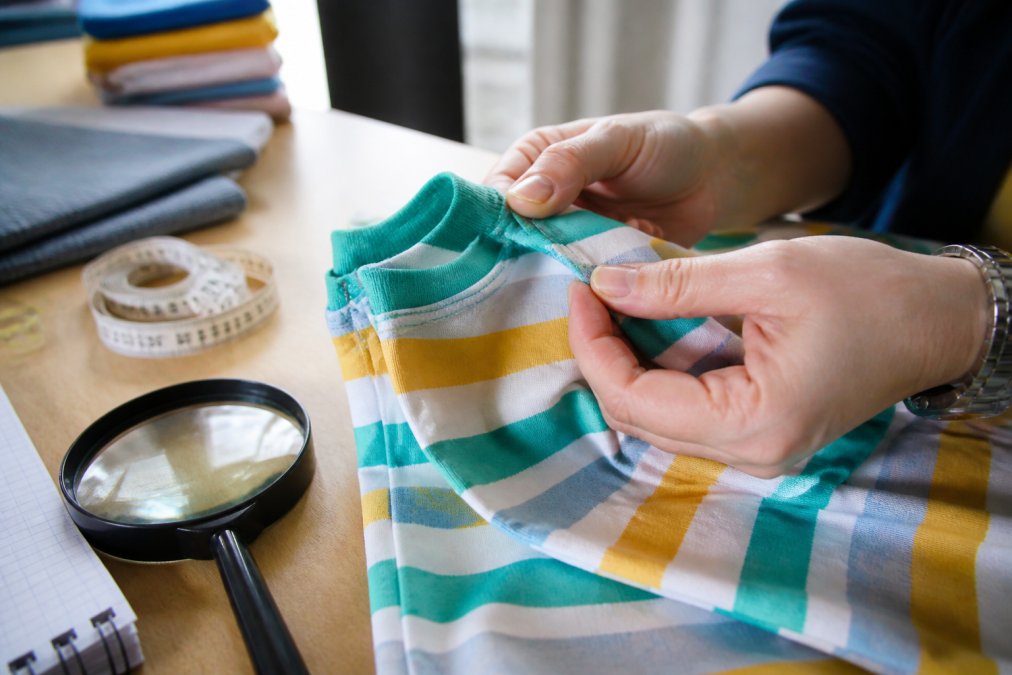
- Organic cotton: Grown without synthetic pesticides, it's softer and less likely to trigger skin sensitivities. Its fibers are longer and stronger than conventional cotton, so it resists pilling and holds shape through repeated washing. Look for certifications like GOTS (Global Organic Textile Standard) for assurance.
- Merino wool: Naturally temperature-regulating, moisture-wicking, and odor-resistant. It's finer than regular wool, so it doesn't itch. Merino can be worn multiple times between washes, reducing laundry wear. It's an excellent choice for base layers and socks.
- Linen: Breathable and durable, but it wrinkles easily. It gets softer with each wash and can last for years. Best for summer pieces.
- Synthetics (polyester, nylon, acrylic): Often used for activewear or to add stretch. They dry quickly but can pill, retain odors, and contribute to microplastic pollution. A high synthetic percentage in everyday wear often signals lower durability.
- Blends: A cotton-poly blend can offer the best of both, comfort and wrinkle resistance, but check the ratio. A 60/40 cotton-poly is generally more durable than a 50/50 or higher synthetic blend.
Construction mechanics: what to inspect
The maintenance and repair angle
Use this checklist before you buy:
- Seams are tight and reinforced at stress points
- Fabric isn't see-through when held to light
- Fiber content is majority natural (or a high-quality blend)
- Zippers and snaps feel solid
- Care label allows normal machine washing (or you're willing to hand-wash)
- Color doesn't rub off on a damp cloth
- Garment has a little room to grow (adjustable waistbands, cuffs)
By understanding both the fabric science and the construction details, you can make an informed decision that goes beyond brand names and price tags.
Frequently Asked Questions
Does expensive kids clothing actually last longer?
Yes, higher-priced kids clothing often lasts longer because it can use better materials and construction. Look for reinforced seams, double-stitched hems, and natural fibers like organic cotton that can withstand repeated washing. Cheaper garments may use thin synthetic materials that can pill, fade, or tear after a few wears. However, not all expensive clothing is automatically durable; you still need to check fabric quality and garment construction. Focusing on these details can help you get real value from your purchase.
How many outfits does a child really need in a capsule wardrobe?
A practical capsule wardrobe for kids usually includes 8-10 tops, 5-7 bottoms, 2-3 dresses or rompers, a light jacket, a warm coat, and 2 pairs of shoes. This range can cover about two weeks of outfits with room for laundry cycles. Choose versatile pieces that mix and match easily, and rotate seasonal items. Building a capsule wardrobe for kids can reduce morning stress and help ensure every item gets worn regularly, which can lower your overall cost-per-wear.
What laundry detergent is best for babies with sensitive skin?
Fragrance-free, dye-free detergents formulated for sensitive skin are often considered a safe choice. Look for products labeled hypoallergenic and free of optical brighteners. Liquid detergents can often rinse out more completely than powders, potentially leaving fewer residues that can irritate. Always check the ingredient list for harsh surfactants. Washing new clothes before the first wear can also remove manufacturing residues. If your baby has persistent reactions, consult a pediatrician to rule out other causes.
Is it better to buy fewer high-quality items for children?
In many cases, yes. Fewer high-quality items can reduce clutter, simplify dressing, and often save money over time because they may last through multiple children or resale. The key is to balance quality with your child's growth rate. During rapid growth spurts, buying a mix of affordable basics and a few investment pieces can work well. Focus on durable fabrics and timeless designs that can be handed down or resold, potentially maximizing value.