
Table of Contents
- Why Graphic Shirts Fade and How to Protect Them
- Best Water Temperature for Washing Graphic Shirts
- Prepare Your Graphic Tees Before Washing
- Choose the Right Wash Cycle and Detergent
- How to Remove Stains from Graphic Shirts
- How to Dry Graphic Tees Without Damaging the Print
- How to Keep Graphic Tees from Cracking
- Frequently Asked Questions
Last Updated: October 14, 2026
Why Graphic Shirts Fade and How to Protect Them
Graphic shirts fade because the prints absorb heat, friction, and harsh chemicals during washing and drying, which is why learning how to wash graphic shirts to prevent fading is essential. When you wash a graphic tee the wrong way, the design cracks, peels, or loses its vibrant color. Many parents get frustrated when their kids' favorite graphic shirts fade after just a few washes. The good news: preventing fading is straightforward once you understand what damages prints.

Most fading happens in the washing machine and dryer. Heat breaks down the ink or dye in the print. Friction from the wash cycle rubs the design against other fabrics. Harsh detergents and bleach eat away at the graphic. The combination of these factors is why a bright, colorful graphic tee can look dull and worn after a handful of washes.
The key to protecting graphic shirts is simple: reduce heat, reduce friction, and use gentle products. When you follow the right steps, a graphic tee can stay vibrant through dozens of washes.
Best Water Temperature for Washing Graphic Shirts
Cold water is the best choice for washing graphic shirts to prevent fading. Cold water slows down the breakdown of dyes and inks in the print. Hot water speeds up fading dramatically.
Here's why temperature matters so much:
- Cold water (under 30°C or 86°F): Protects the print and reduces color bleeding. This is the safest option for graphic tees.
- Warm water: Can fade prints faster than cold water. Use warm water only for heavily soiled items, and never for graphic shirts.
- Hot water: Breaks down inks quickly and causes colors to bleed. Avoid hot water entirely for graphic tees.
Many parents ask whether cold water actually cleans well. It does. Cold water works fine for most kids' clothing, especially graphic tees that aren't heavily soiled. If a shirt has a stubborn stain, treat it before washing rather than using hot water.

The American Cleaning Institute recommends cold water as the standard for preserving colored fabrics and printed designs.
Prepare Your Graphic Tees Before Washing
Preparing your graphic shirts correctly sets up the entire wash for success. Two simple steps make a huge difference: turning shirts inside out and separating colors.
Turn Shirts Inside Out
Turning graphic tees inside out protects the print from direct friction in the washing machine. When the print faces inward, it rubs against the softer inside of the shirt instead of other garments.
Here's how to do it:
- Check that the shirt is empty of items in pockets
- Grab the shirt at the shoulders
- Gently pull it inside out
- Make sure the graphic is completely facing inward
- Place it in the washing machine this way
This single step cuts down on wear and tear dramatically. The print stays protected throughout the entire wash cycle.
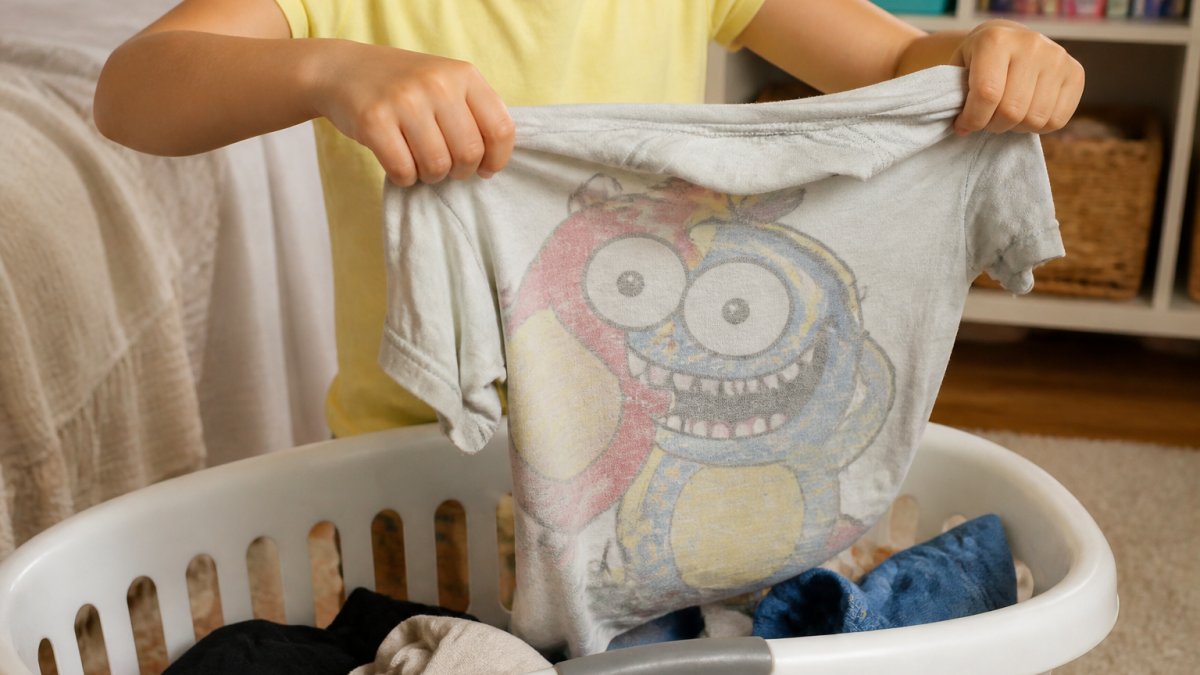
Separate Colors and Whites
Separating whites from darks and colors prevents color bleeding. Dark inks can bleed onto light fabrics, especially in cold water where the dyes haven't fully set.
Follow this sorting system:
- White graphic shirts: Wash with other whites
- Dark graphic shirts: Wash with other darks
- Colorful graphic shirts: Wash with colors
If you have a white shirt with a colorful graphic, wash it with whites. The graphic ink is usually colorfast enough not to bleed onto white fabric.
Choose the Right Wash Cycle and Detergent
The wash cycle and detergent you choose directly affect how long a graphic print lasts. Gentle cycles and mild detergents protect prints far better than standard cycles and regular detergent.
Pick a gentle or delicate wash cycle. Gentle cycles use less agitation, which means less friction on the print. The shirt spends less time tumbling against other items. Standard or heavy-duty cycles are too rough for graphic tees.
Most modern washing machines have these cycle options:
- Delicate cycle: Best for graphic shirts. Uses minimal agitation and shorter wash times.
- Gentle cycle: Also good. Slightly more agitation than delicate but still protective.
- Normal cycle: Too much friction. Avoid for graphic tees.
Use a mild or print-safe detergent. Regular detergents contain harsh chemicals that break down inks. Mild detergents clean without damaging prints.
Look for detergents labeled:
- Gentle or mild
- Print-safe or graphic-safe
- Free of bleach
- Suitable for delicates
Avoid detergents with bleach, oxygen cleaners, or brighteners. These are designed to strip stains but also strip color from prints.
The Textile Exchange recommends using pH-neutral detergents for colored and printed fabrics to preserve color vibrancy.
How to Remove Stains from Graphic Shirts
Stains happen. The trick is removing them without damaging the graphic. Treat stains before washing, not during.
Step 1: Act quickly. Fresh stains are easier to remove than set-in stains. Blot the stain gently with a clean cloth as soon as you notice it.
Kids Graphic Tee "Walabookies" Colorful Character Shirt →
Step 2: Check the stain type. Different stains need different treatments:
- Grease or oil: Use a small amount of mild dish soap on the stain. Rub gently. Let it sit for 5-10 minutes. Rinse with cold water.
- Fruit or juice: Rinse with cold water immediately. If the stain remains, soak in cold water for 30 minutes. Do not use hot water.
- Mud or dirt: Let it dry completely. Brush off the dried dirt. Rinse with cold water.
- Grass: Soak in cold water with a small amount of mild detergent for 15-20 minutes. Rinse well.
Step 3: Never rub the graphic. Always treat stains on the back of the shirt if possible. If the stain is on the print, dab gently, do not scrub.
Step 4: Rinse thoroughly. Any leftover soap or stain treatment can cause fading or discoloration. Rinse the area multiple times with cold water.
Step 5: Wash normally. After treating the stain, wash the shirt using your normal cold-water, gentle-cycle method.
How to Dry Graphic Tees Without Damaging the Print
Understanding how to wash graphic shirts to prevent fading includes knowing how you dry them, which matters as much as the washing process itself. Heat from the dryer damages prints. Air-drying is the safest method.
Air-drying is best. Hang the shirt on a clothesline or lay it flat on a clean surface. Air-drying takes longer but protects the print completely. There's no heat to crack or fade the design.
If you must use a dryer:
- Use the lowest heat setting available
- Remove the shirt while it's still slightly damp
- Never use high heat or medium heat
- Keep drying time under 20 minutes
Many parents find that line-drying or laying shirts flat is worth the extra time. A graphic tee that's air-dried will stay vibrant for years.

The Garment Care Association states that air-drying significantly extends the lifespan of printed garments compared to machine drying.
How to Keep Graphic Tees from Cracking
Cracking happens when the print becomes brittle and breaks apart. This usually occurs from repeated heat exposure or from the print being too thick or inflexible. But not all prints crack the same way, and knowing which type you own changes how you protect it.
How Different Print Methods Crack
Screen prints (plastisol ink): These are the most durable for everyday wear. The ink is fused into the fabric, so it flexes with the shirt. Cracking typically starts at the edges of large solid-color areas after many hot washes. Prevention: cold water, gentle cycle, air-dry.
Direct-to-garment (DTG) prints: These sit on top of the fabric and are more prone to cracking and fading because the ink film is thinner and water-based. DTG prints are especially vulnerable to heat and friction. Prevention: hand-wash or use a mesh laundry bag on delicate, and always air-dry.
Heat-transfer vinyl and direct-to-film (DTF): These rely on an adhesive layer that can lift at the edges when exposed to heat. You'll often see peeling before cracking. Prevention: never use a dryer, avoid ironing directly, and wash inside out on cold.
Sublimation prints: These are dyed into the fabric and rarely crack, but they can fade with repeated hot washing. Prevention: cold water and mild detergent are usually enough.
Practical Steps to Prevent Cracking
Reduce heat at every stage. Every time you wash or dry a graphic shirt with heat, you increase the risk of cracking. Cold water and low-heat drying slow down this process.
Turn shirts inside out before washing. This is the single most effective friction-reduction step. When the print faces inward, it rubs against the softer inside of the shirt instead of zippers, buttons, or other garments.
Use a mesh laundry bag for delicate prints. DTG and heat-transfer prints benefit from the extra layer of protection. A mesh bag keeps the shirt from twisting and rubbing against other items.
Fold or roll shirts carefully. Folding a shirt the same way every time can create permanent creases in the print. Vary how you fold shirts, or roll them instead of folding. Storing them flat or rolled also prevents the stress that hanging can put on the shoulders and print.
Check the print quality. Some prints are more prone to cracking than others. High-quality screen-printed designs are more flexible and less likely to crack. Lower-quality prints that are too thick or stiff crack more easily.
What to Do If a Print Is Already Cracking
If a print is already starting to crack, you can't reverse it. But you can slow further damage by following the washing and drying steps above. For shirts you want to preserve, switch to hand-washing in cold water with a pH-neutral detergent and lay flat to dry. Avoid stretching the shirt when wet, as this can widen existing cracks. If the cracking is severe and the shirt is a favorite, consider framing it or repurposing it rather than continuing to wear and wash it.
Frequently Asked Questions
Should you turn graphic shirts inside out before washing?
Yes. Turning graphic shirts inside out reduces direct friction between the print and the washing machine drum, protecting the design from wear and fading. This simple step is one of the most effective ways to preserve vibrant colors and prevent the print from cracking or peeling over time. Make it a habit before every wash.
Can you use bleach on a graphic shirt?
No. Bleach damages both the fabric and the print, causing discoloration and weakening fibers. Even diluted bleach can strip color from graphic designs and create permanent damage. Stick to mild, print-safe detergents and oxygen-based stain removers for tough marks on graphic shirts.
What water temperature is best for washing graphic tees?
Cold water (30°C or 90°F or lower) is best for graphic shirts. Cold water minimizes color fading, reduces shrinking, and protects the print from heat damage. Hot or warm water can cause the ink to break down faster and increase the risk of colors bleeding together, especially on white shirts with colorful graphics.
How often should you wash a graphic tee?
Wash graphic tees only when necessary, ideally after 2-3 wears or when visibly soiled. Frequent washing accelerates fading and wear on the design. For light wear or spot cleaning, consider airing the shirt out instead of full washing. This extends the life of both the fabric and the vibrant print.