
Table of Contents
- What Makes Clothes "Trendy" to an 8-Year-Old in 2026
- Quick Comparison: Best Trendy Clothes for Picky 8 Year Olds
- How to Dress a Sensory-Sensitive Child Without a Morning Meltdown
- 1. Kids Graphic Tee "Walabookies" Colorful Character Shirt
- 2. Kids' Hooded Sweatshirt - 'Walabookies' Colorful Cartoon Logo Pullover
- 3. Youth Competitor Tee - Walabookies Print
- 4. Walabookies Long Sleeve and Hoodie: Layer-Friendly Basics
- 5. Kids' Walabookies Logo Baseball Cap
- Building a Capsule Wardrobe Your 8-Year-Old Will Actually Wear
- Frequently Asked Questions
Last Updated: September 11, 2026
What Makes Clothes "Trendy" to an 8-Year-Old in 2026
Finding the best trendy clothes for picky 8 year olds starts with one thing: an 8-year-old's definition of "cool" has almost nothing to do with yours. This guide from Walabookies breaks down what gets worn, what gets rejected, and how to build a wardrobe that survives both.
Trendy clothes are the pieces a child reaches for without being asked. For most 8-year-olds in 2026, that means bold graphics, soft fabrics, and a sense of ownership over what they put on. According to the American Academy of Pediatrics' guidance on child development, children this age are actively forming personal identity, and clothing is one of the first ways they express it.
Here's what most guides get wrong: they treat "trendy" as a look. For an 8-year-old, it's a feeling. A shirt is cool if it's comfortable enough to forget they're wearing it and loud enough that a friend comments on it.
Quick Comparison: Best Trendy Clothes for Picky 8 Year Olds
| Item | Price | Why Picky Kids Say Yes | Best For |
|---|---|---|---|
| Graphic Tee "Walabookies" | $18.82 | Bright character graphic, soft cotton | Everyday wear |
| Hooded Sweatshirt Pullover | $39.99 | Cozy fleece, kangaroo pocket | Cool-weather days |
| Youth Competitor Tee | $26.99 | Lightweight, moisture-wicking | Sports and play |
| Long Sleeve and Hoodie | $18.37-$33.22 | Layer-friendly basics | Year-round layering |
| Logo Baseball Cap | $34.99 | Adjustable fit, low profile | Finishing any outfit |
How to Dress a Sensory-Sensitive Child Without a Morning Meltdown
Sensory-friendly dressing means removing the small irritations, tags, seams, rough fabric, tight cuffs, that turn getting dressed into a fight. For a child with tactile sensitivity, one scratchy label can ruin an entire outfit, and no amount of "but it's cute" will fix it.

The STAR Institute for Sensory Processing notes that tactile sensitivity affects how a child experiences everyday textures, and clothing is one of the most common triggers. The fix isn't buying different clothes. It's buying smarter ones, and then handing the child real control over the parts that don't affect comfort.
The four sensory triggers to screen for before you buy
Most morning meltdowns trace back to four physical triggers. Run every garment through this checklist before it enters the drawer:
- Tags and labels. Flat, tear-away, or tagless construction eliminates the single most common complaint. If a label is sewn into a side seam, it will eventually rub.
- Seams and stitching. Flatlock or taped seams lie smooth against skin. Overlocked (serged) seams create a raised ridge that bothers kids who notice texture. Shoulder tape and twill necktape reduce collar stretching, which is its own trigger.
- Fabric hand. Combed and ring-spun cotton feel smoother than standard carded cotton because shorter fibers are combed out during spinning. Tri-blends (cotton-poly-rayon) drape softly. Midweight 50/50 cotton-poly fleece holds shape without the scratch of cheap acrylic.
- Prints and embellishments. Heavy plastisol prints on the inside of a shirt feel like sandpaper. Look for graphics printed on the outside only, or soft-hand water-based inks. Sequins, appliqués, and stiff embroidery are common rejection points.
The two-choice rule (and why it works)
A common pattern practitioners describe: ten options produce paralysis and refusal, while two acceptable options produce a decision. Both must already pass your sensory screen. You control fabric, fit, and construction; the child controls color, graphic, and which of the two they wear. That split, autonomy over style, authority over comfort, is the most reliable way to defuse the morning standoff.

Desensitization, not just avoidance
Avoidance is the starting move, not the endgame. Many occupational therapists use gradual exposure: start with the tolerated fabric, then introduce one small variation (a different color in the same cut, then a slightly different fabric weight) over weeks rather than days. The goal is a wardrobe that expands instead of locking the child into a single shirt. Pair this with a visual routine, clothes laid out the night before, in the order they go on, so the decision is already made when the child wakes up.
What to skip entirely
Some garments aren't worth the fight. Skip stiff denim with heavy rivets, wool sweaters worn against skin, twisting interior waistbands, and anything with a mandatory tucked-in requirement. These aren't style failures, they're sensory landmines that sit unworn no matter how trendy they look.
1. Kids Graphic Tee "Walabookies" Colorful Character Shirt
The best everyday tee for a picky 8-year-old has a graphic loud enough to feel like a statement and a fabric soft enough to forget. At $18.82, this Walabookies graphic tee delivers both.
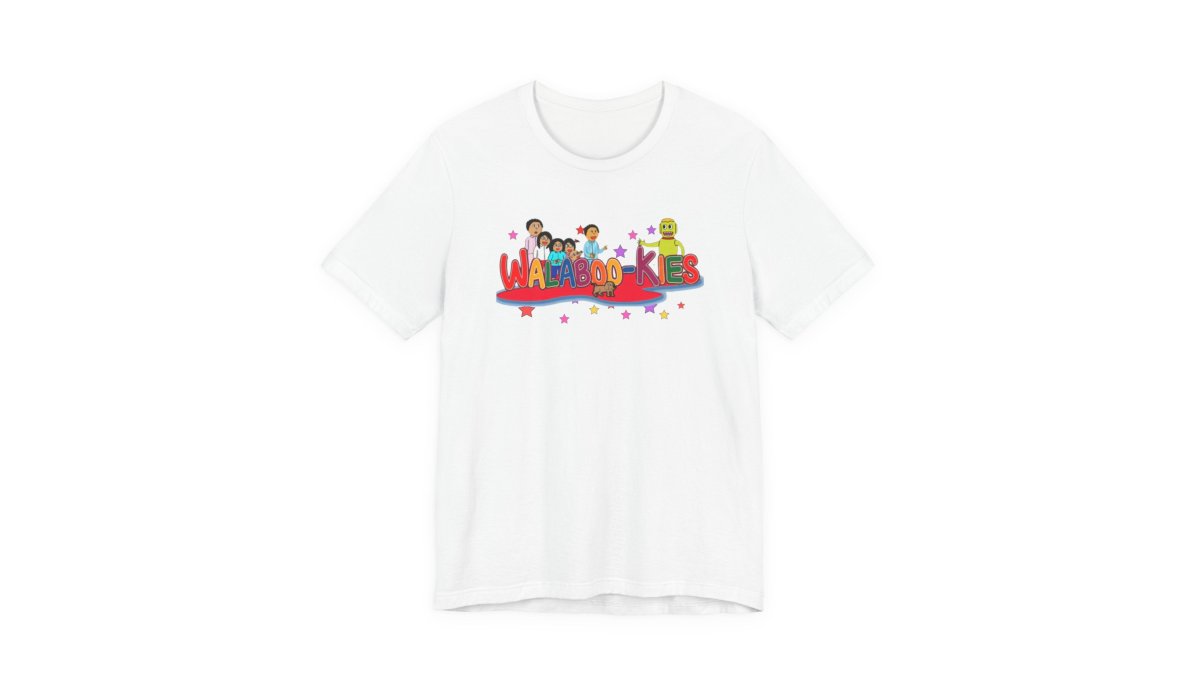
The shirt is built from 100% Airlume combed and ring-spun cotton, a smoother, softer spin than standard cotton, which matters for kids who complain about "itchy" shirts. It also has side seams and shoulder tape to hold its shape, plus a tear-away label to kill the number one complaint parents hear. The colorful cartoon-style chest graphic gives kids the self-expression they want while the fabric handles the comfort they need.
2. Kids' Hooded Sweatshirt - 'Walabookies' Colorful Cartoon Logo Pullover
For cool-weather days, the hoodie is the piece that gets worn to death. This $39.99 pullover uses a 50/50 cotton-poly midweight fleece that keeps its shape through repeated washes, a real concern for parents tired of kids' clothes that pill and sag.
The kangaroo pocket keeps hands warm, and the twill necktape reduces stretching at the collar. A cheerful cartoon logo across the chest sparks the kind of "where'd you get that?" playground conversations 8-year-olds actually care about.
3. Youth Competitor Tee - Walabookies Print
Active kids need a tee that moves. This $26.99 youth competitor tee is made from 100% moisture-wicking polyester at a light 3.8 oz/yd², so it dries fast and stays airy during sports, practice, or backyard play. The athletic cut follows movement without bulk, and the tear-away label keeps chafing away on long days. For a child who runs hot or hates damp fabric, this is the pick.

4. Walabookies Long Sleeve and Hoodie: Layer-Friendly Basics
Layering solves half of all picky-dressing problems. A child who rejects a heavy coat will often accept a long sleeve under a hoodie, especially when both feel soft and neither restricts movement.
The Cleveland Clinic's guidance on dressing children for weather recommends layering as a practical way to adapt to changing temperatures without forcing one bulky garment. The Walabookies long sleeve ($18.37) and hoodie ($33.22) work as a base-and-shell pair for exactly this reason.
- Long sleeve as the base layer for cooler mornings
- Hoodie over the top for recess and after-school
- Both in soft, stretchable fabrics that don't fight the body
5. Kids' Walabookies Logo Baseball Cap
A cap is the easiest win in kids' fashion. It finishes an outfit, hides a bad hair day, and gives kids a low-effort way to feel put-together. This $34.99 low-profile cap is made from 100% cotton twill with reinforced seams and an adjustable Velcro closure for a quick, custom fit.
The unstructured, close-to-head crown layers easily under jackets or over headphones. A colorful character graphic on the front adds personality without overwhelming the design.
Building a Capsule Wardrobe Your 8-Year-Old Will Actually Wear
A capsule wardrobe is a small, coordinated set of clothes that mix and match to cover most days without decision fatigue. For picky kids, fewer choices in the drawer means fewer morning arguments, and fewer panic purchases that end up unworn. Most capsule guides assume the wearer cares about coordination. An 8-year-old doesn't. So the kid version is built around two constraints adults don't have: sensory tolerance and laundry reality.
The seasonal capsule: 10 pieces, one season at a time
Rather than buying a year-round wardrobe, build one capsule per season, fall/winter and spring/summer. This solves two problems at once: it prevents the drawer from overflowing with off-season clothes, and it lets you rotate pieces out before they're outgrown mid-season.
A workable fall/winter capsule for an 8-year-old:
- 3 graphic tees (base layer, kid-chosen graphics)
- 2 long-sleeve tees (one solid, one graphic)
- 1 hoodie (midweight fleece, kangaroo pocket)
- 1 athletic tee (moisture-wicking, for sports and active days)
- 1 pair of joggers or soft-waist pants
- 1 cap or beanie
- 1 layering piece (lightweight zip or pullover)
That's 10 pieces covering roughly 5-7 outfits when every top works with every bottom. The spring/summer version swaps the hoodie and layering piece for two short-sleeve tees and a pair of shorts.
Why 10 pieces, not 30
Decision fatigue is real for kids this age. A drawer with 30 options produces more refusals than one with 10, because every extra item is another chance to hit a sensory trigger or a "that's not cool anymore" objection. Ten pieces means every item is pre-approved, by you for comfort, by the child for style, so the morning choice is between known-good options. The laundry math matters too: most families do kids' laundry once or twice a week, and ten pieces per season, with duplicates of the two or three items the child actually reaches for, covers a week without a mid-week wash of a single beloved shirt.
The sustainability angle most guides miss
Here's where a capsule wardrobe quietly becomes an environmental choice. Fewer, better-made pieces mean less waste than a drawer full of fast-fashion items that pill, shrink, or get rejected after two wears. You buy fewer garments overall, and the ones you buy get worn until they're outgrown rather than abandoned.
A few concrete ways to push the capsule further toward sustainability:
- Favor durable fabrics over trendy ones. Ring-spun cotton and cotton-poly fleece survive repeated wash-and-wear cycles far better than thin, loosely knit fast-fashion cotton. A shirt that lasts two years beats three shirts that last eight months.
- Look for organic or lower-impact cotton where available. Organic cotton uses fewer synthetic pesticides than conventional cotton, and it's increasingly available at mainstream kids' price points.
- Buy duplicates of the winners, not new styles. When a child loves a shirt, buying a second in the same fabric and cut is more sustainable than chasing a new trend that may get rejected.
- Rotate, don't replace. Store the off-season capsule and bring it back next year if it still fits. Kids this age grow roughly 2-3 inches per year, so some pieces will carry over.
How to build it without a fight
Involve the child in the capsule from the start, but constrain the choices. Show them three graphic options per slot and let them pick one. Let them choose the color of the joggers. Don't let them choose the fabric, that's your job, because that's where sensory tolerance lives.
Frequently Asked Questions
What clothes are trending for 8-year-olds in 2026?
Athleisure, graphic tees, and layering pieces dominate 2026 tween fashion. Kids this age want comfort they can move in plus designs that feel personal. Moisture-wicking tees, soft hoodies, and colorful caps are all popular. The trick is finding trendy clothes that also pass the sensory test, meaning soft fabrics, tagless labels, and stretchable fits. Look for items that combine current style with breathable, durable materials so kids actually wear them.
How do I handle a child who is sensory-sensitive to clothing?
Start by removing the biggest irritants: tags, rough seams, and stiff fabric. Choose tagless tees, seamless construction, and soft cotton or cotton-blend materials. Let your child try clothes on before buying and pay attention to what they reach for again and again. Involving them in the choice builds clothing autonomy, which reduces resistance. If a fabric itches or a fit feels tight, it will sit unworn no matter how trendy it looks.
What are the best fabrics for kids with sensory issues?
Soft cotton, Airlume combed cotton, moisture-wicking polyester, and cotton-poly blends work well for most sensory-sensitive kids. Breathable fabrics that do not trap heat or scratch are best. Avoid stiff denim, heavy seams, and synthetic fabrics that feel slick or clammy. For active 8-year-olds, a moisture-wicking polyester tee for sports and a soft cotton graphic tee for everyday wear covers most situations without triggering tactile sensitivity.
How do I build a capsule wardrobe for an 8-year-old?
Pick 8 to 12 pieces that mix and match: three or four tops, two bottoms, one hoodie, one long sleeve, and a couple of accessories. Choose a consistent color palette so everything works together. This cuts decision fatigue and makes mornings easier. Rotate seasonally and replace only what wears out. A capsule wardrobe also helps with cost-per-wear because kids actually wear every piece instead of ignoring half the closet.
Where can I find durable yet trendy clothes for active 8-year-olds?
Look for brands that prioritize textile quality and wash-and-wear durability. Check fabric composition, care instructions, and whether prints hold up after repeated washing. Walabookies offers graphic tees, hoodies, and caps designed for everyday play with soft fabrics and durable prints. Prices range from $14.51 for a drawstring bag to $39.99 for a hooded sweatshirt. Read reviews and check return policies before committing to a full wardrobe.